Khi ăn uống nên xem như dùng thuốc để trị bệnh, dù ngon dù dở cũng chỉ dùng đúng mức, đưa vào thân thể chỉ để khỏi đói khát mà thôi.Kinh Lời dạy cuối cùng


Vui thay, chúng ta sống, Không hận, giữa hận thù! Giữa những người thù hận, Ta sống, không hận thù!Kinh Pháp Cú (Kệ số 197)
Cuộc sống xem như chấm dứt vào ngày mà chúng ta bắt đầu im lặng trước những điều đáng nói. (Our lives begin to end the day we become silent about things that matter. )Martin Luther King Jr.
Lửa nào sánh lửa tham? Ác nào bằng sân hận? Khổ nào sánh khổ uẩn? Lạc nào bằng tịnh lạc?Kinh Pháp Cú (Kệ số 202)
Có những người không nói ra phù hợp với những gì họ nghĩ và không làm theo như những gì họ nói. Vì thế, họ khiến cho người khác phải nói những lời không nên nói và phải làm những điều không nên làm với họ. (There are people who don't say according to what they thought and don't do according to what they say. Beccause of that, they make others have to say what should not be said and do what should not be done to them.)Rộng Mở Tâm Hồn
Chúng ta thay đổi cuộc đời này từ việc thay đổi trái tim mình. (You change your life by changing your heart.)Max Lucado
Đừng cư xử với người khác tương ứng với sự xấu xa của họ, mà hãy cư xử tương ứng với sự tốt đẹp của bạn. (Don't treat people as bad as they are, treat them as good as you are.)Khuyết danh
Hầu hết mọi người đều cho rằng sự thông minh tạo nên một nhà khoa học lớn. Nhưng họ đã lầm, chính nhân cách mới làm nên điều đó. (Most people say that it is the intellect which makes a great scientist. They are wrong: it is character.)Albert Einstein
Người ta thuận theo sự mong ước tầm thường, cầu lấy danh tiếng. Khi được danh tiếng thì thân không còn nữa.Kinh Bốn mươi hai chương
Chúng ta có thể sống không có tôn giáo hoặc thiền định, nhưng không thể tồn tại nếu không có tình người.Đức Đạt-lai Lạt-ma XIV
Không thể dùng vũ lực để duy trì hòa bình, chỉ có thể đạt đến hòa bình bằng vào sự hiểu biết. (Peace cannot be kept by force; it can only be achieved by understanding.)Albert Einstein
 Trang chủ
- Danh mục
- SÁCH TẠP BÚT - TRUYỆN KÝ
- Cõi Phật đâu xa
- Xem đối chiếu Anh Việt: Cõi Phật đâu xa
Trang chủ »» Danh mục »» SÁCH TẠP BÚT - TRUYỆN KÝ »» Cõi Phật đâu xa »» Xem đối chiếu Anh Việt: Cõi Phật đâu xa »»
Cõi Phật đâu xa
»» Xem đối chiếu Anh Việt: Cõi Phật đâu xa

 Xem Mục lục

- NÀNG XUÂN
- NGÀY XUÂN VỚI THIỆN PHÁP VÀ ÁC PHÁP
- THƯA RẰNG SON SẮT XUÂN XANH
- Đọc Đuổi Bắt Một Mùi Hương Của Phan Tấn Hải Như Quán Công Án Thiền
- RUE DU TRÈS VÉNÉRABLE THÍCH MINH TÂM – DI SẢN PHẬT GIÁO VIỆT NAM GIỮA TRỜI TÂY
- Dấu Chân Trên Thành Vương Xá – Một Ngày Trở Về Linh Thứu Sơn
- Những chuyến đi xa (5)
- VỌNG XUÂN
- Những chuyến đi xa (4)
- Những chuyến đi xa (3)
- Những chuyến đi xa (1)
- KHOẢNH KHẮC LỊCH SỬ
- Những chuyến đi xa (2)
- ‘Walk For Peace’ - Đi bộ vì Hòa bình: Đánh Thức Sự Bình An và Tử Tế Nơi Con Người
- BƯỚC CHÂN HÒA BÌNH
- VÀI ĐIỀU CĂN BẢN
- HAI LỐI
- VỊ TRÍ CỦA HT TUỆ SỸ TRONG DÒNG SỐNG CỦA ĐẠO PHÁP VÀ DÂN TỘC
- ĐẠI HỘI HOẰNG PHÁP KỲ III - GIÁO HỘI PHẬT GIÁO VIỆT NAM THỐNG NHẤT (Tổ chức trực tuyến qua Zoom Meeting) Thành Tựu Viên Mãn
- Thầy bước đi như Chúa, Thầy bước đi cùng Phật
- ÔN ĐẾN ĐI NHƯ THẾ
- Những quy tắc không biết run rẩy
- Bố làm bố con cho đến khi con chết nhé...
- BÓNG HẠC LỒNG LỘNG GIỮA TRỜI MÂY
- Bóng Thầy
- Ông già ở cửa hàng đồ cũ
- Chữ Nhất trong nhà Phật
- ƠN NGƯỜI ƠN ĐỜI
- Hòa Thượng TUỆ SỸ và GHPGVNTN trong dòng sống của dân tộc và hướng đi của thời đại
- Ra đi lòng nhẹ như tơ
- Phật và Ma
- THÁNG MƯỜI MỘT VỀ ĐÂY NGHE EM
- Hơn nửa thế kỷ của Hội Đồng Tăng Già Thế Giới
- Kinh là do Phật nói, lý giải là do Bồ-tát làm
- Sự quán thấy của Đức Phật về sự vận hành của thế giới
- BUÔNG HAY RỒI BỊ BỎ
- BỒ ĐỀ NGUYÊN THIỀU
- HẠT BỤI SỢI LÔNG
- MÁ ƠI!
- THANH TỊNH VÔ ÚY TĂNG
- KHOẢNH KHẮC GIỮA ĐỜI
- MÙA XUÂN NÓI CHUYỆN NGHIỆP
- CHÁY SÁNG NHẢ TƠ
- VỀ ĐẾN BẾN XUÂN
- CON ĐƯỜNG KIÊN ĐỊNH CỦA BẬC TRÍ CẢ NỮ LƯU KIỀU ĐÀM DI
- SẮC XUÂN LỘNG LẪY ĐẤT TRỜI
- MẠN ĐÀ LA
- LÃNG THANH
- Sơ Quát về chữ “Sợ” theo Duy Thức Học
- HẢI ẤN, NI TỰ ĐẤT ĐÀO BANG
- NIỆM PHẬT DỄ HAY KHÓ?
- Khái quát một số nét về chữ “Tâm” trong đạo Phật
- Câu chuyện về các ước mơ không thực hiện được
- THÁNG CHẠP CỐ QUẬN VÀO XUÂN
- VÔ BỐ ÚY
- HỒN XUÂN
- Câu chuyện một chiếc đèn dầu
- Cái Thấy Chín Duyên
- ĐỒNG CẢM
- ĐÊM THÀNH ĐẠO
- QUÊN THÂN VÌ THA NHÂN
- QUA CÕI NÀY
- Chủng Tử: Một số nhận định về tiến trình hình thành
- HÓA THÂN
- BỤI NƯỚC MƯỜI PHƯƠNG
- Khái Quát về chữ "Không" trong Tâm Kinh Bát Nhã
- GẶP NHAU GIỮA CÕI NHÂN GIAN
- CŨNG CHẲNG CÓ HÀNH TRÌNH CHI
- NHỮNG VÒNG TRÒN ĐỒNG TÂM
- TƯỞNG NIỆM THẦY
- NHỚ CÀI QUAI NÓN
- CÓ HAY KHÔNG CÓ
- HỒN CỐT XỨ SỞ
- ĐÃ TỪNG KINH QUA
- THÌ THẦM TRONG TRỜI ĐẤT
- Bình đẳng sinh tử
- NGỦ MÊ
- VÔ SỰ
- SUY TƯ XÉT MÌNH
- TÌNH DÂN TỘC NGHĨA ĐỒNG BÀO
- THANH BÌNH
- HỢP TAN LÀ LẼ
- NHÂN DUYÊN PHÓ HỘI
- SẤP MÌNH ĐẢNH LỄ
- BUÔNG MÌNH
- THÁNG BẢY MÙA TRĂNG CỦA MẸ
- Mùa Vu Lan, gieo tình thương và lòng từ ái
- MẤT MÌNH NƠI ĐẤT THÁNH
- THẦY TUỆ SỸ TRONG DÒNG CHẢY SINH-MỆNH CUẢ VĂN-HOÁ VIỆT NAM
- TRỞ MÌNH MẮC NGHẸN
- Minh Trị Thiên Hoàng và những yếu tố thành công trong cuộc canh tân Nhật bản
- HÀNH TRÌNH CỦA GIỌT NƯỚC
- Lá thư hằng tuần và Chia sẻ Phật pháp bài số 20 - năm 2024
- SƯ MINH TUỆ - MỘT BIỂU TƯỢNG THIỆN LƯƠNG TRONG NGHỆ THUẬT
- Xã hội Công bình theo Phật giáo
- Người cư sĩ và năm giới
- Hãy cảnh giác với người “trộm tăng tướng” hay “tặc trụ”
- Lá thư hằng tuần và Chia sẻ Phật pháp bài số 19 - năm 2024
- Lá thư hằng tuần và Chia sẻ Phật pháp bài số 18 - năm 2024
- Khi cha bệnh
- Những căn bệnh ở thế gian
- Tín tâm và chính ngữ trong thời đại nhiễu loạn thông tin
- Lá thư hằng tuần và Chia sẻ Phật pháp bài số 17 - năm 2024
- PHỤNG ĐẠO ĐỘ ĐỜI
- HƯƠNG ĐỨC HẠNH KHÔNG NGỪNG BAY XA
- MẶT TRÁI CỦA CÔNG NGHỆ CAO
- Lá thư hằng tuần và Chia sẻ Phật pháp bài số 16 - năm 2024
- QUẢY GÁNH RA ĐI
- Hư Vân Hòa Thượng
- Lá thư hằng tuần và Chia sẻ Phật pháp bài số 15 - năm 2024
- Không trọn vẹn nhưng đủ để khởi dụng
- Cái chiêng hỏng
- PHÁC HỌA CHÂN DUNG PHẬT GIÁO
- ƯU ĐÀM NGÁT HƯƠNG
- Lá thư hằng tuần và Chia sẻ Phật pháp bài số 14 - năm 2024
- Đi tu để được gì?
- Xoay quanh câu chuyện Thầy Minh Tuệ - Niềm vui và nỗi buồn
- CHÀO THÁNG NĂM
- Sư Minh Tuệ và pháp hành
- Sài Gòn, mùa Phật Đản!
- Lá thư hằng tuần và Chia sẻ Phật pháp bài số 13 - năm 2024
- Hiện thân của lòng thương yêu
- Ngày Hiền Mẫu
- MỪNG SINH NHẬT PHẬT
- NGÀY LỄ MẸ
- Lá thư hằng tuần và Chia sẻ Phật pháp bài số 12 - năm 2024
- VẪN THANH TÂN TRONG TỪNG PHÚT GIÂY
- THỰC HÀNH TÂM TỪ NHƯ THẾ NÀO
- LÝ TƯỞNG CỦA MỘT QUỐC GIA THEO THÁNH ĐỨC THÁI TỬ
- KỶ NIỆM MỘT CHUYẾN ĐI
- Lá thư hằng tuần và Chia sẻ Phật pháp bài số 11 - năm 2024
- Sáu cách làm cho máu lưu thông tốt hơn
- SEN NỞ TRÊN SA MẠC
- Giảng giải phẩm Phổ Môn - Bài giảng thứ tư
- Biên bản Hội nghị toàn thể Hội đồng Phiên dịch Tam Tạng (Tháng 10 năm 1973)
- Về Lá Thư Yêu Thương Gởi Đất Mẹ Của Thiền Sư Thích Nhất Hạnh
- DÙ MUỐN HAY KHÔNG
- Sơ Quát về ba pháp môn Chỉ-Quán-Thiền trong kinh Thủ Lăng Nghiêm qua Duy Thức Học
- Lá thư hằng tuần và Chia sẻ Phật pháp bài số 10 - năm 2024
- NGƯỜI MANG ĐẠO PHẬT ĐẾN CHÂU PHI
- Lá thư hằng tuần và Chia sẻ Phật pháp bài số 9 - năm 2024
- Có ngờ gì không
- CƯ SĨ VÀ PHẬT PHÁP
- Từ bi – Ngọn nguồn bình an và hạnh phúc!
- MỘT NGÀY KIA…ĐẾN BỜ
- TỨ NIỆM XỨ QUA CÁI NHÌN SƠ HỌC
- Lá thư hằng tuần và Chia sẻ Phật pháp bài số 8 - năm 2024
- Lá thư hằng tuần và Chia sẻ Phật pháp bài số 7 - năm 2024
- Luận về Nghiệp và Tái sinh theo quan điểm của Phật giáo
- PHỔ HIỀN NGUYỆN QUA CÁI NHÌN PHẬT TỬ SƠ CƠ
- MỘT LẦN NỮA THÔI
- Lá thư hằng tuần và Chia sẻ Phật pháp bài số 6 - năm 2024
- CUỘC VƯỢT THOÁT VĨ ĐẠI
- CÁI GỌI LÀ TÂM LINH
- THÁNG BA LẠI VỀ
- Lá thư hằng tuần và Chia sẻ Phật pháp bài số 5 - năm 2024
- ƯỚC MƠ MÙA XUÂN
- Lá thư hằng tuần và Chia sẻ Phật pháp bài số 4 - năm 2024
- KHẤN NGUYỆN NGÀY XUÂN
- Lời Giới Thiệu Bát-nhã Tâm Kinh
- Lá thư hằng tuần và Chia sẻ Phật pháp bài số 3 - năm 2024
- Lá thư hằng tuần và Chia sẻ Phật pháp bài số 2 - năm 2024
- MỘT DÂN TỘC ĐÁNG KÍNH TRỌNG
- Lá thư hằng tuần và Chia sẻ Phật pháp bài số 1 - năm 2024
- Lá thư hằng tuần đầu năm Giáp Thìn
- Mối quan hệ giữa Phật giáo và Nhân quyền
- Về mối quan hệ giữa tiếng Việt và tiếng Hán với nguồn gốc dân tộc Việt Nam
- Tạp ghi “lõm bõm”
- Các câu chuyện Thiền trên Con đường Hạnh Phúc
- Ba câu chuyện Thiền trên Con đường Hạnh Phúc
- Biểu tượng hoa sen
- Ý nghĩa và giá trị của việc tụng kinh
- MÙA XUÂN, TUỔI TRẺ VÀ ĐẠO PHẬT
- XUÂN BÂY GIỜ
- THẾ LÀ MÙA XUÂN VỀ
- Bình yên trong bốn mùa
- TÌNH CHA CON VÀ DUYÊN PHẬT PHÁP Ở HẢI NGOẠI
- CHÁNH KIẾN VỚI PHẬT TỬ SƠ CƠ
- VĂN TỰ KINH - CHỮ NGHĨA ĐỜI
- NHÂN NGÀY ĐỨC PHẬT THÀNH ĐẠO
- VÌ SAO TÔI ĂN CHAY
- CHÁNH NIỆM VÀ NIỆM PHẬT
- CHƯA TỪNG BÁI KIẾN
- Hãy Nói
- Đêm Đông Nhớ Ngày Xuân
- Thoát vòng duyên khởi (Transcending Dependent Origination)
- NHỮNG DẤU ẤN PĀLI TRONG TIẾNG VIỆT
- PHẬT GIÁO HẢI NGOẠI VỚI THẾ HỆ TRẺ
- ẨM THỰC VÀ CỰC HÌNH
- Định hướng tương lai với thế hệ tăng sĩ trẻ ngày nay
- KINH PHƯỚC ĐỨC VỚI PHẬT TỬ SƠ CƠ
- VỀ MỘT BÀI KỆ
- KINH NGHIỆM NIỆM PHẬT TRONG ĐỜI THƯỜNG
- NHÂN ĐỌC BẢN DỊCH VIỆT NGỮ “TRIẾT HỌC THẾ THÂN”
- TƯỞNG NIỆM THẦY TUỆ SỸ
- THẦY VÀ CON KIẾN NHỎ
- BÙI GIÁNG VIẾT VỀ THƠ TUỆ SỸ
- NGỌN ĐÈN SÁNG MÃI
- Thư Thương Kính Gởi Thầy Tuệ Sỹ
- Duy nhất Đại thừa
- ƠN NGƯỜI ƠN ĐỜI
- Lời dạy cho Bahiya: Trong cái thấy chỉ là cái thấy
- Tôn Sư Trọng Đạo
- Cha Mẹ và Con Cái
- Chén trà lão Triệu mà chưng hoa ngàn
- VỀ LẠI CHỐN XƯA THĂM THẦY
- Lời Phật Dạy Qua Kinh Thắng Tư Duy Phạm Thiên Sở Vấn
- Ăn Chay
- Đức Phật bàn về Chính trị học, Kinh tế học và Thuật lãnh đạo đất nước
- Phật A Di Đà chỉ nói pháp Nhất thừa
- Sống và Hạnh phúc
- Phổ Giai Hồi Hướng
- Học, Hiểu và Hành Kinh Girimananda - Kỳ 3
- Mai rồi về cõi hoang sơ...
- LỜI BẠT viết cho sách "Một ngày kia đến bờ" của Đỗ Hồng Ngọc
- Bậc Thầy của những vị thầy
- Chuyển hóa mặc cảm tội lỗi
- Hãy bỏ bớt những gánh nặng cuộc đời
- Học, Hiểu và Hành Kinh Girimananda - Kỳ 2
- CHÁNH TƯỢNG MẠT TỊNH ĐỘ HÒA TÁN
- Hằng Thuận Chúng Sanh
- Học, Hiểu và Hành Kinh Girimananda - Kỳ 1
- Cho và Nhận
- MẸ
- Thường tùy học Phật
- Mùa Vu Lan, mùa của tình thương
- Làm sao tránh bệnh lẩn - Alzheimer
- Chúng ta luôn có lòng từ bi
- Nỗi Sợ
- Học, Hiểu và Hành PHẨM PHỔ MÔN - Phần 6
- Thỉnh Chuyển Pháp Luân và Thỉnh Phật Trụ Thế
- Cải cách giáo dục Nhật bản dưới thời Minh Trị Thiên Hoàng
- Giáo dục đạo đức & Xã hội Nhật bản
- Một đoản khúc bi tráng của đời tôi
- Học, Hiểu và Hành PHẨM PHỔ MÔN - Phần 5
- Cảm tính dưới góc nhìn Tâm lý và Phật giáo
- Xuân, hạ, thu, đông rồi lại xuân
- Khúc nhạc buồn trong ký ức
- GIẤC MƠ TRƯỜNG SƠN của Tuệ Sỹ - Món Quà Văn Học Đặc Sắc Của Việt Nam Dành Cho Phương Tây
- Pháp thường tu tùy hỷ công đức
- VIẾT CHO ĐỨC HẠNH
- Học, Hiểu và Hành PHẨM PHỔ MÔN - Phần 4
- Như Lai vô sở thuyết
- Pháp thường tu sám hối nghiệp chướng
- NHỚ LẠI 60 NĂM HÒA THƯỢNG THÍCH QUẢNG ĐỨC VỊ PHÁP THIÊU THÂN
- Pháp thường quảng tu cúng dường
- Học, Hiểu và Hành PHẨM PHỔ MÔN - Phần 3
- Pháp thường tu xưng tán Như Lai
- Pháp Thường Tu Lễ Kính
- Những giai thoại kỳ thú giữa tôi và rượu - Phần 2
- Chiến tranh, bạo lực, hận thù, bất bạo động và lòng từ bi
- Những giai thoại kỳ thú giữa tôi và rượu
- Mẹ và vài mẩu truyện của đời tôi
- Học, Hiểu và Hành PHẨM PHỔ MÔN - Phần 2
- THIỀN
- Thái độ rộng mở trong cuộc sống
- Ngoài chẳng chấp tướng, trong chẳng động tâm
- Những bát cơm phiếu mẫu - Phần 2
- Những bát cơm phiếu mẫu
- Học Hiểu và Hành Kinh Phổ Môn
- Ký ức cuộc đời từ một cuốn phim
- Hiện tượng tri : KHÔNG SUY NIỆM
- Chỉ là một chữ Như
- Học, Hiểu và Hành Kinh Châu Báu - Phần 5
- Đọc IM LẶNG, như lời chia tay của Cao Huy Thuần
- Thế nào là từ bi tiếp dẫn chúng sanh?
- Học, Hiểu và Hành Kinh Châu Báu - Phần 4
- Đi tu là... đi đâu?
- Bát-nhã hiện tiền
- Các lớp Phật pháp bằng Anh ngữ hằng tháng
- Quán Kinh
- Học và Hành Kinh Châu Báu - Phần 3
- LỜI BẠT sách Tìm hiểu Lịch sử chữ quốc ngữ của Giáo sư Hoàng Xuân Việt
- Mưa hoa
- Đọc sách cuối tuần: “Từ Kiến trúc sư thành Bác sĩ tại Hoa Kỳ”
- Sơ Quát về Nhân Duyên trong đạo Phật qua Duy Thức Học
- Lữ khách viễn du
- Một niệm không sanh
- Ngọn gió thanh lương
- Niệm Phật theo từng bước chân
- Giới thiệu công trình phiên dịch Đại Tạng Kinh Việt Nam
- PHÁP MÔN TU CHỨNG LĂNG NGHIÊM ĐẠI ĐỊNH
- Huyễn tâm sở sanh
- Học Phật Trong Mùa Đại Dịch: Học, Hiểu và Hành Kinh Châu Báu (tiếp theo)
- Huyền Trang và công cuộc thỉnh kinh vô tiền khoáng hậu của nhân loại
- Thiền Đời Trần, Thiền Việt Nam
- Thâm Tâm là thiện tâm của Bồ-tát
- Giới thiệu Trường Cao đẳng Phật giáo Thực dụng
- Đọc “Đại Đế Asoka - Từ huyền thoại đến sự thật” Của GS Lê Tự Hỷ
- Một vài cảm nhận nhân đọc Lịch Sử Phật Giáo Việt Nam của Giáo Sư Lê Mạnh Thát
- ĐẠO PHẬT CUỐI THẾ KỶ 20
- Học Phật Trong Mùa Đại Dịch - Phần 2
- Trực Tâm là Tịnh độ của Bồ-tát
- Học Phật Trong Mùa Đại Dịch
- Pháp vô ngại, vô trước
- Khó trong khó, chẳng gì khó hơn
- Ngài Thế Thân: Cuộc Đời, Tác Phẩm, Duy Thức, và Những Tranh Luận
- Tứ Nhiếp Pháp (catvāri saṃgraha-vastūni)
- Niết-bàn không hai nẻo, phương tiện có nhiều môn
- Những Chặng Đường Tu Tập
- Linh nghiệm
- Người dưng...
- Hỷ giác
- Một vài cảm nhận nhân đọc Lịch Sử Phật Giáo Việt Nam của Giáo Sư Lê Mạnh Thát
- Tưởng niệm ngày Phật Đản Sinh giữa cơn khủng hoảng hiện nay
- Sự trì, lý trì
- MẸ VÀ QUÊ HƯƠNG
- Tâm Thư Phật Đản
- Quán niệm mùa Phật đản
- Trí Huệ Vô Tướng
- Bài giảng thứ nhất
- Lòng Mẹ
- Tâm nguyên, tâm thể
- Trí huệ sáng suốt, thần thông tự tại
- 10 kiểu chết của nền giáo dục Việt Nam hiện nay
- Sám hối
- Đóa Vô Ưu
- Làm thế nào để xây dựng cõi Tịnh độ trong nhân gian?
- Những người tỏa sáng trong tôi
- Tâm thường định thường huệ
- Có những chữ tình
- Diễn văn nhậm chức của Tổng thống Ukraina: Volodymyr Zelensky
- Mẹ tôi
- ĐỨC PHẬT RA ĐỜI
- Đức Phật Và Cuộc Chuyển Hóa Nhân Sinh Tận Gốc Rễ
- Tựa sách: Toàn tập Trần Nhân Tông
- Tựa sách: Tô Đông Pha - Những Phương Trời Viễn Mộng
- Niệm Phật Tam-muội
- Huyền thoại Duy-ma-cật
- TẢN MẠN CÙNG “NGHĨ TỪ TRÁI TIM” VỚI ĐỖ HỒNG NGỌC
- HUỲNH NGỌC CHIẾN VIẾT VỀ ĐỖ HỒNG NGỌC
- NĂM MỚI, CHUYỂN ĐỔI NGHIỆP VẬN
- NĂM CŨ, NĂM MỚI
- XUÂN, THỜI TÍNH VÀ KHÔNG TÍNH
- Lời tựa sách Các tông phái của Đạo Phật
- Hai vị Bồ Tát Thế Thân và Vô Trước
- LÁ THƯ NGÀY TẾT NHÂM DẦN
- Câu chuyện một đêm giao thừa
- Sự sự Vô ngại Pháp giới
- Giới thiệu bản Việt dịch sách Tây Vực Ký
- Thiền Sư Nhất Hạnh - Đã Về Đã Tới
- Con Mèo Nhập Niết-bàn
- Tâm Xuân
- Dẫn nhập sách Tây Vực Ký
- Giới thiệu bản Việt dịch sách Tây Vực Ký
- Bài thuyết trình của Giáo sư Tiến sĩ Carola Roloff
- Hai chữ Cực Lạc thực sự mang ý nghĩa gì
- Ước hẹn ngày mới
- Tôi và những con thú thân yêu
- Ngậm ngùi tiễn biệt nhà thơ Tôn Nữ Hỷ Khương
- Câu chuyện dòng sông (Siddhartha) của Hermann Hesse
- Tư tưởng Kinh Pháp Hoa
- HUYỀN THOẠI RẮN
- Cây Noel đầu tiên trên đất Mỹ
- Thập Nhị Nhân Duyên
- Đạo Phật với Văn học và Nghệ thuật
- Dịch Kinh và Đại Học
- Giác Tâm Bất Động
- BUÔNG
- Phản Bổn Hoàn Nguyên
- Tiên học lễ, hậu học văn: Đạo lý hay tiêu cực?
- TAN HỢP GIỮA ĐỜI
- Ruth Ozeki: Từ Nhà Văn Tới Thiền sư
- Biết dùng Chân tâm
- Nói lời dịu dàng
- Diệu âm
- PHƯƠNG PHÁP HỌC PHẬT
- Ba tôi
- Minh Sát Thiền Do Đại sư Mahasi Sayadaw truyền dạy
- Hoa Đã Nở
- Nước Pháp Cam Lồ
- Phật Giáo và Âm Nhạc
- Con trâu trong nhà Phật
- Ngoài hư không có dấu chim bay?
- ĐƯỜNG MÂY BAY
- Chịu thiệt được phúc
- Suối ao công đức
- Mời Tham Gia Lớp Online Qua Zoom: Cuộc Đời Đức Phật Thích Ca
- Tin sâu, nguyện thiết
- Văn Công Tuấn: ‘Chớ Quên Mình Là Nước’
- Những cái vui trong Đạo Phật
- Phật Sự
- Căn của Ý thức
- An tịnh trầm lặng
- Hiểu rõ Phật trí
- Cuộc đời và sự nghiệp Tổ Sư Khương Tăng Hội
- THẦY TÔI – ÔN MINH CHÂU
- KÝ ỨC & NGHIỆP
- MỘT CƠN GIẬN
- Bốn Lợi Ích Tất Đàn
- ĐỖ HỒNG NGỌC - TIẾNG GỌI SÂU THẲM CỦA Y VƯƠNG
- Điểm sách: TÔI HỌC PHẬT
- Điểm sách: TÂM BẤT SINH
- Chuyên nhất niệm Phật quy tâm về một chỗ, không việc gì chẳng thành
- Những bước ngoặc quan trọng trong cuộc đời
- LỜI GIỚI THIỆU sách Chỉ Nam Thiền Tập
- Lúc niệm Phật chính là lúc thấy Phật
- Kinh Địa Tạng - Bà Mẹ của mặt đất điêu linh
- PHẬT HOÀNG TRẦN NHÂN TÔNG
- Nhìn từ một thời
- Mùa Sen Nở
- Nghệ Thuật Sống
- Vô trụ Niết-bàn
- Hữu miếu vô đạo bất năng hưng giáo
- Điểm Sách: Chánh Niệm trong đời thường
- Liệu pháp Tâm lý trong thơ Trần Nhân Tông
- LỜI TỰA sách Thả một bè lau
- Ý nghĩa và giá trị của tụng kinh
- Bài tựa sách Đại Đường Tây Vực Ký
- Hiện tại Phật đang thuyết pháp
- Bài tựa Tam tạng Thánh giáo
- Kẻ nghèo vớ được của báu
- Sư đi tựa vầng trăng khuyết …
- Giới thiệu Đặc san Văn hóa 2021: Chuyển hóa khổ đau
- TIỂU SỬ SƯ BÀ THÍCH NỮ DIỆU TÂM
- Ở chỗ Phật hành, nước thành tựu lạc.
- PIANO SONATA 14
- Mục đích tu hành trong đạo Phật là gì?
- Hãy nhìn sự vật đúng thật
- Giữ mình đoan chánh
- Ðạo đức trong nếp sống người Phật tử
- Thầy Sói
- Năm sự đau đớn, năm sự thiêu đốt
- THƯ CUNG BẠCH của Phật tử hộ trì Tam Bảo
- TÂM THƯ của Hội Đồng Hoằng Pháp
- BƯỚC QUA LỊCH SỬ
- Thoảng Hồn Thơ Việt Trên Đất Mỹ
- Cùng đọc lại Huấn từ An cư của Đức Đệ Tứ Tăng Thống
- Huấn Từ An Cư Sách Tấn Tăng-già của Đức Đệ Tứ Tăng Thống - PL 2548
- Năm sự ác
- Phật pháp - Một năng lượng sống thánh thiện ngay bây giờ để chuyển hóa khổ đau
- Evans-Wentz: Ẩn Sĩ Ôm Non Cao (Người Mang “Tử Thư Tây Tạng” Qua Phương Tây)
- Điểm sách: Vua Là Phật, Phật Là Vua
- Ấm ma và Thiền định
- Điểm sách: “Thong Dong Khắp Mọi Nẻo Đường”
- Để có một tương lai tươi sáng hơn
- Cái gốc của tất cả điều lành
- Bài kệ tụng trước khi trì Chú Đại Bi
- Nỗi Lo Của Nguyễn Du
- Đi chùa để làm gì?
- Phải nên tự độ
- Tâm Lý Dửng Dưng Còn Dễ Sợ Hơn Là Oán Hờn Thù Hận
- Giới luật công truyền hay bí truyền?
- THẤY BIẾT NHƯ THẬT
- Vô Kỵ học bắn cung
- Tôi đến với Đạo Phật
- Tiếng Phạn trong Phật giáo
- Tâm được mở sáng
- Câu chuyện về ngài Long Thọ
- Tam độc tham, sân, si
- Tổ Sư Khương Tăng Hội (?-280)
- Hành Trình Thiện Nguyện Của Chùa Từ Hiếu Giáo Hội Phật Giáo Việt Nam Thống Nhất Về Với Đồng Bào Miền Cao
- Thông tri về việc đăng tải sách audio Phật điển phổ thông
- Pháp thoại của Hòa thượng Thích Như Điển
- Đọc Thơ Chữ Hán Của Vua Trần Nhân Tông Qua Bản Dịch Của Nhà Thơ Nguyễn Lương Vỵ
- Lời nhắc nhở của Thế Tôn
- Nguồn Gốc Kỳ Diệu: Cuộc Đời Của Những Ứng Thân Lạt Ma Người Tây Phương
- HỒI SINH
- NHƯ ĐÃ CÓ NHAU
- Tướng tự nhiên của tự nhiên
- Nhìn Về Tuổi Trẻ Và Văn Hóa Hậu Covid
- Hãy Tự Mình Thắp Ðuốc Lên Mà Ði
- Ngã và vô ngã là một không hai
- Về sự nghi ngờ hệ thống truyền thừa trong Phật giáo
- Thông Bạch: Tưởng niệm lễ Tiểu Tường của đức Đệ Ngũ Tăng Thống GHPGVNTN
- Đạo Phật cho thế hệ thứ năm
- Tâm bao thái hư lượng chu sa giới
- Tâm sự đầu năm
- Hạnh phúc đâu phải chỉ một mình
- NGƯỜI ĐI
- Nhịp Cầu Thế Hệ Của Đạo Phật Ngày Nay
- Pháp tu lễ kính
- Căn bản trí
- Tuyển dịch kinh điển Phật giáo Kim cang thừa
- Tuyển dịch kinh điển Phật giáo Đại thừa
- Tuyển dịch kinh điển Phật giáo Thượng tọa bộ
- Tăng-già - Chúng hội đệ tử
- Cuộc đời Đức Phật lịch sử
- TỔNG QUAN
- Lá Thư Ngày Tết
- Chuyện đôi bao tay
- Pháp thoại tại chùa Beel Low See Temple (Tỳ Lô Tự) Singapore
- Đọc “Phật Điển Phổ Thông: Dẫn Vào Tuệ Giác Phật”
- CHĂN TRÂU MÙA XUÂN
- Quan điểm của Phật giáo đối với các vấn đề hiện đại
- Phật pháp thâm sâu, nghĩa nhiệm mầu
- Một mảnh ký ức của đời tôi
- “Hãy dám ước mơ! Tự tin để vượt qua khủng hoảng” của Đức Giáo hoàng Phanxicô
- Trì pháp
- ĐỨA CON DÂU
- Ngộ hậu khởi tu
- THẬP MỤC NGƯU ĐỒ
- Hình bóng con trâu qua ca dao tục ngữ và Phật giáo Việt Nam
- Một số Danh Tăng Việt Nam tuổi Sửu
- Ethiopia và câu chuyện tình người
- Hương vị Đại thừa
- KHỞI ĐẦU VÀ KẾT THÚC
- Niệm Đạo Tự Nhiên
- Bóng người trong sương mù
- Hoa Thiên Lý
- Thật tướng của Bồ Tát
- Tình người trên đất Mỹ
- Lâm Vân Hóa
- Người Phật Tử Śrī Lanka Chiến Thắng Sự Cải Đạo Như Thế Nào
- CÕI ÂM
- Công Đức Chân Thật
- Tiền và Đạo đức
- Một bài học trong đời tôi
- Chuyến đi tìm hoài niệm
- Pháp Bất Nhị
- Ông lão bán vé số
- Xung đột các nền văn minh
- Đạo làm người
- Đạo và Đời
- Nguyễn thị Hồng Yểm
- Kiến tánh
- TRẮNG XÓA MÀN MƯA, BỒ ĐỀ TÂM TRẢI RỘNG - Tường trình về những chuyến đi cứu trợ Miền Trung
- Hướng đi của thời đại
- Bố tôi
- Pháp khí của người học Phật
- Cuộc hành trình cuối cùng của Đức Phật với những thống khổ muôn đời của nhân loại
- Nước lên
- Như Lai xứng tánh
- Khúc ruột Miền Trung
- Ấm một bình minh
- Nhà thơ Woeser từ Bắc Kinh viết về Tây Tạng
- Văn Học Miền Nam Tổng Quan: Vai Trò Phật Giáo
- Khoảng trống cuối đời
- Lời nguyện tất cả đều thành Phật
- Nghèo chưa hẳn là hèn
- Hà Nội và hai người bạn thủa ấu thơ
- Xưng tán Thập Đại Đệ tử Phật
- Nhân Tết Nhi đồng Việt Nam suy tư hướng về các thế hệ tương lai
- Chiếc xe ô tô đồ chơi
- Tuổi thơ, tình yêu và số phận
- Tùy ý tu tập thảy đều tự tại
- Việt Nam - Mãi mãi không quên
- Sau thịnh nộ là lặng im
- Trần Trung Đạo, Tuổi Thơ, Mẹ, Quê Hương và Dân Tộc
- Bước vào nhà Như Lai bằng hai cửa tín, huệ
- Thử tìm hiểu Ông Trời, Thượng Đế và Đạo Phật
- Mẹ tôi, những nải chuối và người sĩ quan quân đội Mỹ
- Vài món quà tặng mẹ
- Thư Khánh Tuế
- Công phu tu hành chân thật
- Sự dốt nát và số phận
- Tội xem thường
- Có phải con quan thì được làm quan?
- Đối cảnh vô tâm
- Chữ Hiếu
- Bố ơi, tha lỗi cho con
- Những lá thư tình viết mướn
- Khổng tử và người nông dân
- Pháp Đại từ Đại bi
- Bộ ly tách uống trà và những liên tưởng về Mẹ
- Chí Phèo
- Giận Hờn
- Triết lý củ khoai
- Phú Tự Trào
- Cô gái bán don
- Đừng nhổ! Rồi tôi sẽ trổ bông!
- Có tự thì cũng phải có tại
- Vài ký ức về mẹ
- Đọc sách Chớ Quên Mình Là Nước của Văn Công Tuấn
- Thú vui đọc sách
- Nguồn gốc và ý nghĩa an cư kiết hạ
- Diệu Âm
- Thống khổ trần gian
- Văn tế Hương linh Thuyền nhân tử vong trên biển
- Cây Bồ-đề
- Sáu con búp bê
- Bức thư không gửi
- Hai giấc mộng
- Xé tan cái giấy thông hành...
- Những cái gạt tàn thuốc
- Mục tiêu của giáo dục
- Lão Duy Minh và con nhện
- Hiệp Tá Đại Học... Thổ
- NGHỆ THUẬT SỐNG TRONG THỜI ĐẠI @
- Ba ơi về ngủ
- Cánh cửa sắt
- Không đợi thư nhà
- Đốt đàn
- Google và Tuệ Giác của Thiền Sư Nhất Hạnh
- Lì Hì Pì Nì Báo Ơ
- HUYỀN THOẠI VỀ SƯ VÀ CỌP Ở NÚI DỐC LÂN
- Pháp thân vốn là chân ngã
- Sự thật và Quan điểm
- Trái tim Bồ Tát
- Amartya Sen nhận Giải thưởng Hòa bình của Đức năm 2020
- Người cư sĩ xin nhìn lại
- The Way Of Zen In Vietnam (Thiền Tông Việt Nam)
- Pháp như như
- Những suy tưởng về bất bạo động trong một thế giới đầy bạo lực
- Ngã văn
- HAI KHÚC BÁNH MÌ
- Người có con mắt thứ ba
- Đêm giao thừa
- Pháp giới duy tâm
- Hướng Vọng Ngày Về Nguồn của Chư Tăng Ni Việt Nam Hải Ngoại
- NHỮNG TẾT THA HƯƠNG
- Lòng Vị Tha, Từ Bản Chất Đến Hoạt Dụng
- Người Nhật phát triển Hán ngữ hiện đại
- VỌNG TƯỞNG
- Hắn
- Nhân đạo là pháp dọn đường cho Phật đạo
- Tình bướm
- Viết cho một người
- Nghe mà chẳng nghe, chẳng nghe mà nghe
- Tình người (Ở cuối hai con đường)
- CHÚC NGUYỆN THƯ PHẬT ĐẢN 2564
- Ngày này năm xưa…
- Chiếu phá vô minh
- Bạn cũ
- RIÊNG MỘT CÕI THƠM
- Mười Niệm Tất Vãng Sanh
- Con Nuôi
- Tâm thư gửi bạn Covid-19
- Tu Định Tĩnh Thâm Bất Động
- Thích Tuệ Sỹ và Trí Siêu Lê Mạnh Thát
- Kiểm soát cảm xúc hiệu quả trong thời biến động
- Điều gì xảy ra sau vi-rút Corona?
- Khép lại những con đường
- Làm sao cảm ứng với quang minh gia trì của Phật, Bồ-tát?
- Thiền Phật Giáo Phát Triển Trong Xã Hội Thiên Chúa Giáo
- Sống hạnh phúc hay khổ đau
- Hồng tâm trong cái hồng tâm
- Vô thường lão bệnh
- Nghĩ về Phật giáo Việt Nam
- Tu viện Huyền Không, nơi ươm mầm những nụ Bồ-đề
- Ba mươi bảy pháp hành Bồ Tát đạo
- Chạm quang minh được an lạc
- Chiều Đông
- Giữa dòng đời hãy Có Mặt Cho Nhau
- Bóng
- Trí huệ quang và thanh tịnh quang
- Trong cốp xe
- Sự thăng trầm của cuộc sống
- Thư Mời tham gia buổi sinh hoạt Có Mặt Cho Nhau Lần thứ sáu (San Jose)
- Thường chiếu quang
- Rong chơi nghìn cõi nước
- Độ nghi tịnh
- Chương trình Pháp Nhạc Âm Xuân Canh Tý 2020 - Theo Dấu Chân Phật
- Tổ Bồ-đề Đạt-ma qua nghệ thuật gỗ lũa
- Bồ Tát hiển linh
- AVALOKITESVARA - Bồ Tát Quán Thế Âm
- Cây liễu sa mạc
- Màu xưa
- Antonio và kho tiền vàng
- Tượng
- Hai ông cháu
- An trong cõi bất an
- 200 Năm Nguyễn Du Qua Đời, Đọc ‘Phân Kinh Thạch Đài’
- Quán chiếu Bát-nhã
- Amrita và những con voi
- Egbert và người đánh cá
- Vị thần cây
- Danan và thủy quái mãng xà
- Sức nghiệp dịnh không thể nghĩ bàn
- Đại lễ mừng Thành Đạo và Ra mắt Đài truyền hình Bồ-đề Phật Quốc TV (băng tần 57.15)
- Con ngựa trắng xinh đẹp
- Danh tăng Việt Nam sinh vào năm Tý
- Ni giới và thời đại
- Hết thảy chúng sinh vốn đã thành Phật
- Bầy khỉ ăn trộm
- Angelia và Đức vua Federrick
- Aloka và băng cướp
- Suy ngẫm về kiếp người
- Món đồ chơi mơ ước
- Những kẻ trộm cừu
- Bình đẳng là Phật
- Ester và Lucky
- Cô gái mới đến
- Tâm tịnh, cõi nước tịnh. Tâm bình, cõi nước bình
- Khi Thiền Ni Chiyono Chứng Ngộ
- Cây ánh trăng kỳ diệu
- Tâm ô nhiễm
- Theo dấu chân xưa
- Giữa Các Ngã Rẽ Phân Hóa
- Bella và món xúp thần kỳ
- Nền tảng giáo pháp trong kinh Du Hành và những phẩm chất cần thiết trong phiên dịch kinh điển
- Thật tướng Bát-nhã
- Chữ Tây và chữ Hán, chữ nào hơn?
- Xét lại nguồn gốc và bản thể giáo dục Việt Nam hiện đại
- Chánh Ngữ Trong Đời Và Đạo
- Những ngày ở Áo
- Lễ tưởng niệm Cố Đại Lão Hòa Thượng Thích Trí Quang tại Tịnh Xá Ngọc Hòa, San Jose, California
- Tướng cảnh giới
- Học Phật là sự hưởng thụ của đời người
- Phụ Nữ Trong Chánh Pháp
- Chín mươi sáu phút với Thượng tọa Thích Trí Quang
- Tâm sanh diệt
- Thầy Trí Quang - Một trang lịch sử
- Gánh chè tươi của chị Bậc
- Bến thời gian
- Tìm hiểu về Mật tông
- Tâm Chân Như
- Nhân duyên căn lành (Hóa thành)
- Để Ngộ Tông Chỉ Phật
- Giáo Dục Ngày Nay
- Nhân ngày đầu năm khuyên người giữ đạo hiếu
- Phương trời siêu tuyệt
- Trì Kinh
- Ba Thế Hệ Phật Tử Có Mặt Cho Nhau - Chia Sẻ Tâm Tình
- Từ Hội sách San Jose, nghĩ về văn hóa đọc
- Viết Về H. C. Andersen
- Tuệ Sỹ - Tinh Hoa Phật Giáo VN - Vị thầy của bốn chúng
- Tin Phật, Tin Pháp, Tin Tăng
- Sinh diệt diệt dĩ, tịch diệt hiện tiền
- Học cách cho và nhận
- Chuyển cảnh giới (Hóa giải oan gia trái chủ và nghiệp chướng)
- Làm sao giữ nước
- Quán Âm Thị Kính qua truyền thuyết dân gian và tem bưu chính Việt Nam
- Danh y Tuệ Tĩnh, người mở đầu nền y học dân tộc
- Chùa Thầy và truyền thuyết ly kỳ về Từ Đạo Hạnh
- Nảy lộc đầu thu
- Viết Sách, Đọc Sách và Hội Sách
- Tôn giả Pháp Loa - Nhị Tổ dòng Thiền Trúc Lâm Yên Tử
- Tự tại trong tất cả các pháp
- Tứ nhiếp pháp
- Thiền Tông Như Bè Pháp Qua Sông
- Đến với Khóa tu Mùa Thu trên Kim Sơn
- Chuyện thay tên lý thú của hai ngôi chùa ở Nha Trang
- Gia đình Phật tử Việt Nam tại Hoa Kỳ: Nhen thêm hy vọng thống nhất từ trại Viên Lạc
- Diệu Quả
- Diễn văn khai mạc Trại Họp Bạn và Hội thảo Viên Lạc
- Biện minh của Phật giáo về chính nghĩa cho chiến tranh
- Vầng trăng thu
- Đạo chân chánh vô thượng
- Như Tranh Vẽ Trên Hư Không
- Phật tử và Kinh điển
- Người Đi Hắt Bóng Trong Tâm Cảnh
- Chuyện con cá
- Nhìn thấu, buông xuống, tự tại, tùy duyên
- Huyền Thoại Tu Thiền Dễ Điên và Thơ Nguyễn Lương Nhựt
- Phương nào cõi tịnh
- Bát Nhã vô tri
- Con người là loài virus đáng sợ nhất
- Các khóa tu học một ngày tại Nam California
- Đi về như nhiên
- Trang nghiêm tự tâm
- Tỉnh Thức Rực Rỡ: Đọc Sách “Vivid Awareness”
- Tiếng thơ của Mẹ
- Trụ Huệ Chân Thật
- Nương tựa chính mình
- Oan gia nghiệp báo
- Công bố website Phật giáo hỗ trợ người sử dụng website
- Mừng sinh nhật thứ 95 Thiền sư Thích Thanh Từ
- Nhân quả đồng thời, cảm ứng đạo giao nan tư nghì
- XÉT LẠI VỤ ĐÁNH CUỘC CỦA PASCAL
- Phép cộng phép trừ
- Dân ta còn, tiếng nước ta còn
- Hiện đời chứng quả bất thối chuyển
- Khóa tu Phật pháp ứng dụng với Sư bà Như Hương
- Karuna và tiếng hát của một bà lão ăn xin
- Mở mắt trí huệ, đạt được thân quang minh
- Nghe “Xuân Hành” của Phạm Duy, Suy Nghĩ về “Người Là Ai”
- Giấc mơ trở thành sự thật
- Đức Chúng Như Hải
- Chướng duyên của thân nữ
- Chẳng quý thân mạng, chỉ tiếc Vô thượng đạo
- Không Cửa Để Vào, Không Lời Để Nói
- Nghi Thức Tụng Kinh
- Lưu danh
- Tường thuật nhanh về Khóa An Cư Kiết Hạ năm 2019 tại Như Lai Thiền Tự
- Hội Y Tế Từ Thiện Śākya (Śākya Care Foundation)
- Vì sao phải niệm Phật?
- Chân thật và giả dối
- Karl Marx và Thiền Đi Bộ
- Bản kinh Phổ Môn trên giấy lớn nhất Việt Nam
- Pháp Bình Đẳng
- Công Án Toán
- Ngọn đuốc tuệ soi sáng cõi sương mù: Hòa thượng Thích Nhơn Thứ
- Tổ Đình Sắc Tứ Linh Quang
- Vài suy nghĩ về một bài hát
- Phát Bồ-đề Tâm
- Viện Phật học Bồ Đề Phật Quốc khai giảng lớp Cao Đẳng Phật Học
- Suy tưởng dài hơi
- Viện Phật Học Bồ-đề Phật Quốc tổ chức Pháp hội Thanh Tịnh Tam Nghiệp
- Sử Dụng Thất Giác Chi (Thất Bồ Đề Phần) Trong Công Phu Môn Niệm Phật
- Mục đích của đạo Phật
- Bốn phương pháp định hướng cuộc đời
- Giới thiệu bài kệ trùng tụng trong Kinh Phổ Môn
- Hồi hướng
- Chuyện của một người già
- Viện Phật Học Bồ-đề Phật Quốc khai mạc Pháp hội Thanh Tịnh Tam Nghiệp
- Thiền Là Chìa Khóa Để Biết Mình
- Tâm trang nghiêm bí mật
- Sống Trong Từng Sát Na
- Triết Lý Tây Phương Giúp Gì Cho Các Phật Tử
- Quang Minh trí huệ biện tài
- Ngôi chùa trong lòng người dân Việt
- Đọc Truyện Thạch Sanh Lý Thông
- Chí lớn, chí nhỏ
- Đường đạo thênh thang lại gặp thầy
- Phật Giáo Hoa Kỳ Thời Chiến
- Giữa những vội vã
- Cái chết của những giá trị
- Thấy hết thảy các tướng là Không tướng tức thấy Như Lai
- Thiền Đi Bộ
- Vai Trò Của Giáo Dục Phật Giáo Trong Cuộc Khủng Hoảng Về Bản Sắc Tại Phương Tây Hiện Nay*
- Buddhist Approach to Global Leadership & Shared Responsibilities for Sustainable Societies
- Người Xuất Gia Đứng Trước Vương Quyền
- Nhất sanh bổ xứ
- Những vấn đề của xã hội ngày nay
- Ngũ trí đối trị ngũ uẩn
- Lược luận về ý nghĩa và luận quán của phẩm Phổ Hiền Hạnh Nguyện
- Thi ca Huyền Không với tuổi thơ học đạo
- Tâm bình thường là đạo
- Cơn giông
- Nói chuyện cùng nhà văn Phan Tấn Hải
- Quang Thọ Vô Lượng của Phật A Di Đà
- Bồ-đề Đạo tràng - Đôi dòng cảm niệm
- Tri kiến
- Mây trắng hỏi đường qua
- Cháo đỗ xanh
- Tâm tưởng
- Hai anh em, một con đường
- Tên bất thiện
- Hai giờ với Khóa tu Mùa Xuân
- Bộ tem kỷ lục 50 mẫu về lịch sử Phật giáo Sri Lanka
- Còn và hết duyên
- Phút quay về
- Câu chuyện đầu tiên: Ngay tức khắc
- Hoa nở đình hoang
- Sống chung với chướng duyên nghịch cảnh
- Hai lần mất cha
- Năm thứ thần thông
- Phật giáo Việt Nam trên tem bưu chính
- Nhớ nghĩ về loài voi trong Phật giáo
- Phật Đản lại về - nhớ chuyện xưa, nói chuyện nay
- Huệ Khả Cầu Pháp: Đọc Từ Tạng Pali
- Sợi dây cột mở trói
- Đọc “Về thu xếp lại…” của Đỗ Hồng Ngọc
- Ba mục tiêu của người học Phật
- Bồ Đề Đạo Tràng – Mấy điều mắt thấy tai nghe
- Sống, chết, tái sinh, trung ấm và cúng vong
- Lợi ích chân thật đối với sự hộ trì của chư Phật
- Nghiệp và Giải Nghiệp theo Chánh Pháp
- Sống hòa
- Chánh khí
- Kinh Phật Nói Gì Về Vong Linh?
- Nhà thơ Phật tử W. S. Merwin (1927-2019)
- Lậu tận thông
- Thư Thỉnh Mời Tham Dự Lễ Khánh Hỷ Thiền Đường Thiền Viện Trúc Lâm Đại Đăng
- Tại Sao Nhiều Người Hoa Kỳ Đang Hướng Về Phật Giáo
- Giới Thiệu 4 Tác Phẩm Mới Của Lotus Media
- Khế lý và khế cơ
- Xây Chùa và Xây Đạo Tràng
- Ưng vô sở trụ nhi sanh kỳ tâm...
- Thiện và Ác
- Dĩ vô sở đắc cố...
- Đọc Thơ Cụ Mộc Đạc, Nghĩ Về Phật Giáo Dân Gian
- Bàn về thiền tập
- Mô hình Phật giáo và Triết lý giáo dục hiện đại phương Tây
- Đoạn Tận Lậu Hoặc Lập Tức
- Lời giới thiệu sách Giảng giải Cảm ứng thiên
- Mắt ngắm trăng được nghỉ
- Một Ngày Học Hỏi và Tu Tập Thiền Minh Sát (Vipassana)
- Mùa Xuân Nở Hoa Trong Tôi
- Huyền Thoại Tái Sinh Của Thánh Tăng Zong
- Sư Nhà Tống Sang Học Thiền Nhà Trần
- Đọc Sách Essence of the Heart Sutra Của Đức Đạt Lai Lạt Ma Đời Thứ 14
- Chương trình âm nhạc Phật giáo Pháp Nhạc Âm - Chủ đề: Gia Tài Bậc Thánh
- Biết ơn mình
- Đức Phật Dạy Pháp Niết Bàn Tức Khắc
- Thiền và Thi Ca trong thi kệ Mãn Giác Thiền Sư
- Tenzin Dorjee: Phật Pháp Vào Đời
- Trí nhớ mù sương
- Vẽ cây, vẽ chim
- Biết sống
- Chí Tâm Tinh Tấn xuất sanh từ Tự Tánh Tam Bảo
- Bồ Tát Quán Thế Âm
- Gia tài của Phật
- Sám hối được vãng sinh
- Ảnh Hưởng Của Phật Giáo Đối Với Nền Văn Học Mỹ
- Cầu trí tuệ Bát-nhã
- Gia Huy và chương trình văn nghệ đặc biệt với chủ đề Đêm Thành Đạo
- Vượt qua mười hai xứ
- Mùa xuân tu phước
- Phát tâm nguyện rộng lớn
- Tỳ-kheo Pháp Tạng
- Nhìn tới năm 2019
- Phật tử Tây Ban Nha
- Thế gian tự tại
- Thông Báo Chuyến Hoằng Pháp Của Đức Drikung Chetsang Rinpoche Năm 2018-2019
- Dòng sữa mẹ
- Nước mắt trong luân hồi
- Lý chân như thật tướng
- Phật biện tài
- Người ăn mày gặp người rớt mồng tơi
- Biết huyễn lìa huyễn chính là giác
- Ném đi
- Phật Giáo, Chinh Trị và Thời Đại Trump
- Chuyển pháp luân
- Thế nào là pháp vi diệu?
- Bóng mát
- Lấy sức định huệ hàng phục ma oán
- Đắp chỗ trũng
- Thiền Định Trí Huệ của Chư Đại Bồ Tát
- Báo ứng
- Tánh của chân tâm
- Chỉ cần một cái gật đầu
- Giải thoát Bồ Tát
- Những dấu chân qua...
- Người cửa Phật
- Đọc Kinh Pháp Hoa Qua Tạng Pali
- Cao xanh bỡn cợt
- Chế hạnh Bồ Tát
- An cư và mãn hạ
- Nhẹ như mây
- Độ thế
- Nước Nga bây giờ
- Sau buổi tiệc tùng
- Trung trụ Bồ Tát
- Lưng dài trĩu nặng
- Trăng trên áo
- Bóng đêm phía trước
- Tại gia Bồ Tát
- Phật Giáo Việt Nam tại Nhật Bản qua các thời kỳ (từ năm 1953 đến năm 2018)
- Phút quay về
- Nhẹ như mây
- Chiếc lá khô
- Đường rộng dưới chân non
- Câu Chuyện Người Kalama
- Pháp Hội Thánh Chúng
- Đọc kinh Pháp Môn Căn Bản
- Tăng bào
- Sức mạnh
- Lời ru của trái tim
- Đặc Tính Và Công Năng Của A-Lai-Da Thức Trong Pháp Tu Niệm Phật
- Cô gái trẻ và hai người lính cứu hỏa
- Thằng lừa mẹ
- Giới thiệu Kinh Phật Thuyết Ðại Thừa Vô Lượng Thọ Trang Nghiêm Thanh Tịnh Bình Ðẳng giác
- Trường Sinh Bất Tử qua cái nhìn của nhà Phật
- Người tình của cha
- Cuộc gặp gỡ định mệnh
- Câu chuyện về nước mắt
- Đánh ghen mướn
- Bóng râm cội Bồ-đề
- Bọt bóng sắc màu
- Đường mặn
- Đọc Biện Chính Phật Học – Nghĩ về Lời Đức Phật Rầy
- Thiền sư Huyền Quang
- Ngắm ảnh xưa ngâm bài thơ bất hủ
- Nhà có chuột
- Tỉnh giấc chiêm bao
- Lá thu rơi
- Nghe kinh được lợi ích
- Nuôi dưỡng hạt giống Phật
- Mái chùa che chở hồn dân tộc
- Vai trò của Tánh Không trong phương thức trị liệu hý luận
- Đừng lỗi hẹn với thực tại
- Đạo hiếu ngộ từng phần
- Phước huệ được nghe
- Ngẫu hứng Lương Sơn
- Bài thơ về cơm chùa
- Lộc của đất
- Đại ca hạnh phúc
- Dẫn vào thế giới Thiền học của Tổ sư Liễu Quán
- Đừng lỗi hẹn với thực tại
- Chắp tay hoa - Thân lạy hay tâm lạy
- Lời phó chúc của Phật
- Ánh sáng
- Chim thuyết pháp
- Văn tế cô hồn
- Đọc “Phật Giáo và Chánh Trị tại Việt Nam Ngày Nay” của Tiến Sĩ Hoàng Xuân Hào
- Thủ bút của bậc cao tăng thạc đức
- Buổi sáng bình yên trên Kim Sơn
- Kinh Kim Cang - Diệu lực của trí Bát-nhã
- Trăng vào cửa sổ
- Lịch sử phát triển nền Phật học Việt Nam
- Bước nhảy thời gian
- Nửa giờ trong Hang Cọp
- Kinh Vô Lượng Thọ trụ thế sau khi Chánh pháp diệt
- Tu viện Giác Hải - Chốn già lam đầy ắp thi ca và huyền thoại
- Nghe, lắng nghe và không nghe
- Dòng Thiền Trúc Lâm Yên Tử diễn ca
- Bùi Giáng: Cái Được Thấy Là Khổ Đế
- Đừng lỗi hẹn với thực tại
- Vài kỷ niệm về việc in ấn Trường bộ kinh, Trung bộ kinh và kinh Lời vàng
- Bản tình ca duy nhất trong Kinh điển Pali
- Thực ảo Cực Lạc từ đôi mắt bé
- Liệu bộ não con người có khả năng thấy được chiều không gian thứ tư?
- Thọ ký Bồ-đề
- Vầng trăng soi rọi
- Dội trong sương mù
- Văn hóa tình người
- Gió mới đầu thu
- Nghiệp thức che đậy
- Tình Mẹ trong văn hóa Việt Nam
- Bài học về lòng biết ơn
- Lòng bao dung
- Thấy biết sai lầm
- Người đàn bà không bao giờ biết sợ
- 40 Năm Hoằng Pháp của Thầy Tôi
- Đọc sách Đường vào luận lý
- Nếu không giác ngộ, làm sao lìa khổ được vui
- Ý nghĩa đời người
- Một nửa sự thật không phải là sự thật
- Bồ Tát vãng sanh
- Bài học từ vụ đắm tàu Titanic
- Động cửa thiền
- Sát sanh và bệnh tật
- Là khách lạ ngay trên quê hương mình
- Ếch ra khỏi giếng
- Tản mạn ngôn ngữ: Mình!
- Chấp tướng tu phước khó tránh khỏi luân hồi
- Niệm Phật cộng tu khai thị
- Đọc khảo luận “Đường về núi cũ chùa xưa”
- Và như thế, tôi đến trong cuộc đời...
- Tâm Từ: Đọc Trong Mùa Vu Lan
- Mở con đường máu, chuộc lại nền nhân bản đích thực cho thế kỷ 21
- Phật khuyên chúng sinh phải đoạn trừ nghi hoặc
- Thế nào là con đường Phật giáo
- Nhật Bản và Tín Ngưỡng Quan Âm
- Lắng Nghe Kinh Pháp, Dần Dần Cũng Sẽ Khai Giải Vui Vẻ
- Thiền sư và tên trộm
- Khéo học Phật pháp cùng truyền thống văn hóa
- Người Áo Lam
- Phương Thức Kết Hợp Những Người Con Phật
- Nghĩ về án tử hình
- Hết mê lầm mới thấy được Phật
- Cha mẹ dân
- Tin Phật
- Lời phát nguyện của Huynh trưởng GĐPT
- Toàn bộ câu chuyện giải cứu những cậu bé Thái Lan
- Vài nét về Pháp môn Tịnh độ và hành trì Tịnh độ tại Việt Nam
- Quả Báo Do Không Hiểu Rõ Phật Trí
- Đản sinh trong đặc khu Trung quốc
- Một niệm quy chân
- Bình an trong từng hơi thở là bình an trong cuộc sống: thực tập hơi thở cho giấc ngủ ngon và an lành
- Tại sao lại ăn chay?
- Ni Sư Giới Hương Giải Thích Về Luân Hồi Theo Kinh Lăng Nghiêm
- Tảng đá có nặng không?
- Biết rõ nhờ buông xả
- Trung hiếu là đạo làm đầu
- Thượng Võ và Từ Bi
- Hòa Hoãn
- Suy Nghĩ Mùa World Cup
- Giá trị của phép mầu
- Phật dạy lấy trung hiếu làm căn bản trong tất cả các pháp tu
- Vì sao tôi ngồi thiền
- Vâng Theo Lời Phật Dạy Giống Như Kẻ Nghèo Đặng Của Báu, Chẳng Dám Trái Phạm
- Tứ Thập Nhị Thủ Nhãn
- Đại Bi Đà La Ni Tứ Thập Nhị Thủ Nhãn
- Văn Tế Thiên Thai Trí Giả
- Viết cho con trai, con gái
- Mục đích tu hành trong Phật pháp là gì?
- Đọc sách Thiền Lâm Tế Nhật Bản qua Bản Dịch HT Thích Như Điển
- Đọc "Bát Cơm Hương Tích” của TT Thích Nguyên Tạng
- Cái Họa Do Ngũ Ác, Ngũ Thống, Ngũ Thiêu Gây Ra
- Thật thà niệm Phật
- Vui thay Phật ra đời
- Đức Phật: Thấy Pháp Là Thấy Ta
- Bà lão bán rau vĩ đại
- Năm Sự Ác, Năm Sự Đau Đớn, Năm Sự Thiêu Đốt
- Mười nghiệp lành
- Tác hại của khói thuốc
- Nghiện ngập mê say
- Sự lan tỏa của lòng nhân ái
- Tội ăn cắp
- Từ Khổ Đau Tới Giải Thoát
- Ăn chay thế nào cho đúng
- Giảng giải Cảm ứng thiên - Bài thứ bảy
- Pháp hành căn bản cho hàng Phật tử
- Quan điểm Phật giáo về vấn đề tự tử
- Năng lực của ngã
- Nên chọn hóa thành hay bảo sở
- Kinh Già-lam
- Phóng sinh: Yêu mến tự do và đức hiếu sinh
- Nhớ anh Cao Chánh Hựu
- Phương ngoại với hồng quần
- Sống an lạc với thuận duyên và nghịch duyên
- Giảng giải Cảm ứng thiên - Bài thứ sáu
- Phật A Di Đà thuyết pháp và thọ ký Bồ tát sẽ thành Phật
- Nhật Bản: Những Ngôi Chùa Cổ Tích
- Sự tái sinh - Chu trình nghiệp không thể tránh khỏi
- Chư Bồ Tát Cảm Mộ Ân Đức Phật A Di Đà
- Giới Thiệu Cuộc Nghiên Cứu về Tái Sanh
- Mùa sen
- Phật khuyên chúng sinh cầu sinh Cực Lạc
- Bhutan - Cánh cửa hạnh phúc
- Đức Phật không thấy ai là kẻ thù
- Với Đạo Phật, khoa học không phải là chân lý tối hậu
- Giảng giải Cảm ứng thiên - Bài thứ năm
- Thông điệp hộ pháp từ một bàn tay
- Ăn chay là biểu hiện của yêu thương
- Ý nghĩa và giá trị của pháp môn Niệm Phật
- Ơn đời ơn người
- Mọi sự vật đều thay đổi
- Phương pháp hành thiền cơ bản
- Hãy cầu nơi tự tánh
- Giảng giải Cảm ứng thiên - Bài thứ tư
- Nghe kinh được khai minh
- Phật trong tôi
- Đoạn tam độc: Tham, sân, si
- Năng lượng tâm và nền văn minh tự hủy
- Khúc gỗ trôi sông
- Sống nhanh hay chậm?
- Chớ lấy của không cho
- Yêu thương và từ bi
- Sức mạnh của niềm tin
- Phật giáo và giới trẻ
- Khoá tu Sống Sâu Sắc
- Đọc: Hạt Nắng Bồ Đề - Ký sự hành hương của Văn Công Tuấn
- Ở hiền gặp lành
- Dòng sông qua đi...
- Giảng giải Cảm ứng thiên - Bài thứ ba
- Có và không của thế gian theo quan niệm khoa học và Phật giáo
- Kinh nghiệm thiền tập: Khi thân thể biến mất
- Smartphone và tôi
- Cô bé 7 tuổi cứu sống hàng triệu trẻ em ở Châu Phi
- Lòng thiền hoa cúc nở
- Giảng giải Cảm ứng thiên - Bài thứ hai
- Như huyễn Tam-muội
- Giấc mơ Phù Đổng
- Tuổi trẻ, tình yêu và lý tưởng
- Bàn về Vô minh
- Luận Lý Nhân Minh Trong Tăng Chi Bộ Kinh
- Thiền Tông Bất Lập Văn Tự
- Thời kỳ Hốt Tất Liệt và Phật giáo Trung Nguyên
- Giảng giải Cảm ứng thiên - Bài thứ nhất
- Nói nghe nè
- Mỗi ngày một câu chuyện thiền
- Duyên khởi giảng giải Cảm ứng thiên
- Trước hết đừng gây hại
- Mạn đàm quanh triết lý giáo dục của Phật giáo
- Núi sông là núi sông
- Mục tiêu của giáo dục trong Phật giáo
- Đốt vàng mã - một hủ tục cần loại bỏ
- Khát vọng mùa xuân
- Lời cảnh giác và khích lệ của Thiền sư Quy Sơn
- Đức hạnh
- Đọc thơ xuân Nguyễn Bính
- Giải thích đề mục kinh Địa Tạng
- Tin sâu nhân quả
- Tương tợ tỳ-kheo
- Giữ gìn giới cấm, vững vàng không phạm
- Tâm thiền trong tỉnh thức
- Đừng đem cho người điều mình không muốn
- Chánh nhân vãng sinh trước tiên là gì?
- Mạn đàm quanh triết lý giáo dục Phật giáo
- Quan điểm của đức Phật về ngôn ngữ kinh điển
- Vũ Điệu Thời Gian và Bước Nhảy Tâm Thức
- Đọc Kinh Phật, Đón Xuân Mậu Tuất
- Hồn quê
- Rét đậm lòng xuân
- Hằng thuận chúng sanh
- Phật tử và vấn đề xã hội
- Sợ ma nơi nghĩa trang
- Sinh sản vô tính và đạo Phật
- Tìm Hiểu Hướng Đi Của Phật Giáo Việt Nam Trong Bối Cảnh Phật Giáo Mỹ
- Tìm xuân, đón xuân
- Khi Einstein Chia Buồn
- Tâm Xả Ly: Mỹ Học Của Giải Thoát
- Hiện tượng trầm cảm vì thế giới ảo
- Về một số từ “khó hiểu” trong Kinh Niệm Xứ (satipaṭṭhānasutta)
- Hồn thơ in bóng nước
- Vài suy nghĩ về việc học chữ Phạn trong các Học Viện Phật Giáo Việt Nam
- Bát Nhã Tâm Kinh: Mê Ngộ Bất Dị
- Đọc Chú Lăng Nghiêm Kệ và Giảng Giải của Hòa thượng Tuyên Hóa
- Khi Thiền Sư Vào Bạch Ốc
- Những ngày cuối cùng
- Cốt lõi bản dịch mới Tâm Kinh của thầy Nhất Hạnh qua bài viết của Trịnh Đình Hỷ
- Quà Tặng Trong Mùa Lễ
- Thêm Vài Ý Về Bát Nhã Tâm Kinh
- Có nhìn thấy không?
- Mười điều nên làm của người xưa
- Mật tông Tây Tạng và truyền thống tái sinh
- Vài suy nghĩ về công trình nghiên cứu “Cải tiến chữ quốc ngữ” của PGS Bùi Hiền
- Toàn văn tham luận về Cải tiến chữ Quốc ngữ của PGS TS Bùi Hiền
- Bước không qua số phận
- Đọc “Góp Nhặt Thời Gian” của Thích Nguyên Siêu
- Từ không gian mạng đến sách in trên giấy
- Ra mắt sách thiền của Nguyên Giác và Đào Văn Bình
- Tạ ơn trong ý thiền
- Đức Phật dạy về việc giữ giới (Trích kinh Đại Bát Niết-bàn)
- Bài văn khuyến tu
- Ra Mắt Sách Phật giáo ở Chùa Bát Nhã, Santa Ana (CA)
- Niềm vui tịch lặng
- Từ Kinh Phật Sơ Thời đến Thiền Đốn ngộ
- Mười điều nghi vấn về Tịnh Độ
- Vị Ni Sư Giữa Trời Đông Tây
- Anh Tý Mù
- Ngày Ý Thức Về Căng Thẳng
- Con đường giáo dục của Phật giáo
- Đại lão Hòa thượng ThíchTrí Hưng
- Suy Nghĩ Từ Bát Nhã Tâm Kinh
- Nhật ký hành hương Nhật Bản
- Kỷ vật cho người ở lại
- Ta đi để lại gì không?
- Ân sư và Tôn sư
- Thấy gì qua một văn bản của ngành giáo dục
- Làm sao để đạt đến tâm cảnh nhất như?
- Nghe lại bài hát "Em hãy ngủ đi" - Ngủ với chánh niệm
- Sen nở hiện đời
- Tâm Bồ-đề
- Dịch kinh tặng người
- Đọc “Thần Chú trong Phật Giáo” Do Giáo Sư Lê Tự Hỷ biên soạn
- Phàm phu chểnh mảng niệm Phật vãng sanh là chuyện khó tin!
- Người tu sĩ xin hãy nhìn lại
- Thầy tôi
- Nhân cách và tâm thức
- Không có một cây tùng rực lửa
- Vị trí của một ngôi chùa
- Người con chí hiếu
- Thiện Hữu Tri Thức Trên Đường Tu Học
- Bóng dáng tự ngã
- Văn tế thập loại cô hồn
- Hoa khai Cực Lạc tháng cô hồn
- Chọn cánh hồng hoa
- Đuổi kịp Mông Cổ
- Giới thiệu Thiền Vipassana cho người Việt tại California
- Nghệ thuật sống: Thiền Vipassana
- Giới thiệu Thiền Vipassana
- Các Pháp Vào Định
- Ðịnh Hướng Tương Lai Với Thế Hệ Tăng Sĩ Trẻ Ngày Nay
- Văn hóa, nhân dân và những người cầm quyền
- Thấu cảm
- Giới thiệu bộ sách Nền tảng căn bản nhất trong giáo dục của người xưa (Thánh học căn chi căn)
- Tháng Bảy, Tưởng Nhớ Người Chị Có Con Mắt Thứ Ba
- Ký sự: Nở Hoa Vùng Tây Bắc - Phần 9
- Ký sự: Nở Hoa Vùng Tây Bắc - Phần 8
- Thiền Tập Giữa Trận Đồ Tâm Thức
- Ký sự: Nở Hoa Vùng Tây Bắc - Phần 7
- Một bác sĩ đã thấy gì trong 9 phút sau khi chết và hồi sinh
- Đại Sư Garchen Hoằng Pháp ở Chùa Tây Tạng Bình Dương
- Nở hoa vùng Tây Bắc - Phần 6
- Một Nhà Nước Tỉnh Thức
- Đối diện với cái chết
- Nở hoa vùng Tây Bắc - Phần 5
- Thiền sư của năm tông phái khuyên người niệm Phật
- Một Quốc Hội Tỉnh Thức
- Ký sự: Nở Hoa Vùng Tây Bắc - Phần 4
- Ngôi chùa niệm Phật
- Chân không Diệu hữu
- Ký sự: Nở Hoa Vùng Tây Bắc - Phần 3
- Ký sự: Nở Hoa Vùng Tây Bắc - Phần 2
- Pháp Môn Định Vô Tướng
- Ký sự: Nở hoa vùng Tây Bắc
- Phật Giáo Cho Người Vô Thần
- Mời Xem Global Buddhist TV và Tham Dự Du Lịch Tâm Linh
- Hành trình Kiền Trắc
- Những điều nghịch lý của ngày nay
- Những sợi dây buộc hay mở
- Đọc “Đại Đế Asoka từ Huyền Thoại đến sự thật” Của Lê Tự Hỷ
- Những Người Phật Tử Jubu
- Đường xưa
- Sinh Nhật Đức Đạt Lai Lạt Ma
- Nắng chiều
- Ngôi chùa ở cửa ngõ Thăng Long
- Khi tình yêu cha mẹ là con dao hai lưỡi
- Không Một Pháp Để Làm
- Thiền tập với trẻ em
- Đọc Tuyển Tập “Đạo Phật: Đất Nước, Cuộc Sống & Tâm Linh”
- Tìm hiểu một trong 5 việc của Đại Thiên
- Ngôi Chùa Lá dạy ngoại ngữ hoàn toàn miễn phí
- Thiền Tập Khi Mang Thai
- Tình thương và niềm tin
- Tâm ban đầu
- Hòa thượng Cua
- Thiền Tập và Chiến Binh
- Có những sự tái sinh
- Người trí thức và đạo Phật
- Tầm quan trọng của chánh ngữ trong đời sống hàng ngày
- Tàm và quý - Dệt một mùa xuân
- Hương Thiền - Nhìn lại 10 mùa sen
- Đỉnh cao trí tuệ
- Tâm và tầm, tiêu chuẩn người lãnh đạo của Giáo hội
- Điều phiền não thứ 84
- Hữu hà sai biệt
- Ảo ảnh của tâm
- Returning Home - Khóa tu dành cho tuổi trẻ tại hải ngoại
- Lời Phật dạy về tình yêu thương
- Mười câu hỏi cho Đức Đạt-lai Lạt-ma
- Những điều tôi nhận được từ Phật pháp
- Sài Gòn bây giờ...
- Đừng nên giữ lại
- Bổn sư (thơ)
- PhápThoại Phật Đản - Phật Lịch 2561
- Dạy con thời hiện đại
- Trước Phật nhìn lại cõi người
- Chỉ là một nắm tro
- Chấm Dứt Sự Lạc Đường
- Nhật ký giáo dưỡng: Về thăm lại quê hương Việt Nam
- Hình ảnh người mẹ trong Kinh điển
- Tư Tưởng Mật Tông Tây Tạng - Qua các huyền nghĩa của Đại thần chú OṀ MAṆI PADME HŪṀ
- Giáo pháp Mật tông: Những tư duy khác nhau
- Mùa lửa từ bi
- Bước chuyển từ triết lý niệm Phật đến tín ngưỡng niệm Phật
- Trái tim bất diệt
- Vui thay Phật ra đời
- An nhiên giữa vùng xung đột
- Hương Phật
- Pháp Ấn
- Làm người mới bắt đầu
- Tâm lý tuổi già: Mỗi ngày tôi chọn một niềm vui
- Hai Nhà xuất bản với nhiều sách giá trị về tu học, lịch sử
- Thổi tan mây mù
- Vì sao tu thiền định?
- Thư cho con trai
- Con kỳ nhông xanh trên luống dâu
- Khoá Tu "Returning Home" Dành Cho Giới Trẻ Tại Hoa Kỳ
- »» Cõi Phật đâu xa
- Trước lời khen chê
- Có thể buông bỏ được
- Tu để chuyển nghiệp và dừng nghiệp xấu ác
- Kinh A Nậu Lâu Độ
- Tâm lý tuổi già: Sống trong đời sống
- Đâu chỉ của mình trăng thôi
- Đừng lỗi hẹn với thực tại
- Những bình minh hạnh phúc (thơ)
- Sông cạn đá mòn...
- Cận tử nghiệp và tích lũy nghiệp
- Tài thuyết pháp của ngài Ca-chiên-diên
- Thiền sư Vinh Tây - Ông Tổ Trà Nhật Bản
- Chuyện cây táo hoang
- Thơ Thiền đời Lý-Trần
- Quý bà sang trọng và ông lão quét rác
- Ánh trăng nhìn ta đó
- Vị tỷ phú làm từ thiện
- Một hôm có chàng Huy Cận
- Thiền tập và nhan sắc
- Người xuất gia đối trước vương quyền
- Người xuất gia và vấn đề lễ lạy cha mẹ
- Khỏi bệnh ung thư nhờ tu Thiền
- Tìm hiểu về Mật tông
- Niệm Phật có lợi ích gì?
- Chế ngự căng thẳng
- Tỉnh giác với lợi dưỡng
- Ranh giới giữa Phật và ma
- Tiếng chuông tỉnh thức
- Con đường đi đến Phật đạo
- Tâm lý tuổi già: Trong khi ta về...
- Giấc mơ Trường Sơn
- Kinh Di Giáo
- Nghiệp chung và riêng của mỗi người
- Tâm lý tuổi già: Chân đi nằng nặng hoang mang
- 11 điều cần lưu ý khi tập Thiền
- Mở cánh cửa Không
- Thiền tập cho cảnh sát
- Nghiệp báo tác động đến sự sống con người
- Phương Pháp Truyền Đạt Trong Giáo Dục Phật Giáo Và Trong Môi Trường GĐPT
- Lực gia trì của Bồ Tát Quán Thế Âm
- Phật dạy về cách điều hòa thân tâm
- Tâm lý ngày Tết Việt
- Hãy Tỉnh Dậy
- Hạnh kiên nhẫn
- Nhị Đế là gì
- Phương Pháp Thực Hành Chánh Niệm Trong Lớp Học (Mindfulness-Based Approach In The Classroom)
- Cát bụi tuyệt vời
- Thi kệ Bốn Núi của Trần Thái Tông
- Thế nào là một dân tộc văn minh
- Những tấm gương sáng
- Dân tộc tôi chưa xứng với Tổ Tiên
- Ý nghĩa Tam Bảo
- Hạnh phúc đích thực của một đại gia từ Hollywood
- Trái ớt cúng dường
- Pháp môn niệm Phật trong Kinh A-di-đà
- Không có gì bền chắc
- Không làm điều tốt là có tội
- Nghệ thuật sống trong thời đại @
- Thực hành năm điều đạo đức
- Chỉ dẫn cách hành thiền minh sát
- Tu trong đời sống hằng ngày
- Bà lão nghèo và ngài Thị trưởng
- Mùa xuân viết về Đạo ca
- Thiên lý độc hành
- Bảy gia tài bậc thánh (Thất thánh tài)
- Học hiểu duyên sinh để quản lý cuộc đời mình
- Kinh Thiện Sanh: Bàn về Đạo đức và trách nhiệm trong hôn nhân
- Sức mạnh của sự tha thứ
- Lợi ích của Thiền
- Đạo đức nhân quả Phật giáo
- Hai chiếc nhẫn
- Mùi vị của hạnh phúc
- 108 lời dạy của Đức Đạt-lai Lạt-ma
- Nhật ký giáo dưỡng: 5 cách thực hành để xoa dịu những cơn giận
- Kinh Thương yêu (song ngữ Anh Việt)
- Cần tu khẩu nghiệp
- Ăn chay để cứu địa cầu
- Bảo vệ Chánh pháp
- THÂN GIÁO: Có thể là một giải pháp cho tất cả (A young Buddhist perspective)
- Ý hướng triết lý trong phương thức hành xử của đạo Phật Việt Nam
- Lý duyên khởi giải thoát
- Lời dạy về ứng xử với khó khăn của những bậc thầy
- Buông bỏ
- Gì đẹp bằng sen...
- Sinh về đâu là do mình
- Chín điều nên nhớ trong cuộc sống
- Lòng ham muốn dẫn đến khổ đau
- Về thu xếp lại...
- Vài Nét Biểu Trưng của Người Cư Sĩ Phật Tử nơi Hải ngoại
- Mưa cam lồ - Công đức phóng sinh
- Quán trọ của ngàn sao
- Phật giáo trong thế giới phương Tây
- Khái Niệm Niết Bàn Từ Quan Điểm Tâm Lý Học
- Người về soi bóng mình
- Walk With Me (Bước cùng tôi) - Bộ phim về Làng Mai và thầy Nhất Hạnh
- Đạo Phật trong thế giới ngày nay
- Phật dạy không làm các việc xấu ác
- Những bệnh vô duyên
- Thiền định dựa vào hơi thở
- Một lớp học đặc biệt
- Hoa và rác
- Hoa và rác
- Rác làm đẹp cho hoa
- Do may mắn hay do có phước
- Mười điều trọng yếu của sự tu hành
- Sơ lược về Kinh Phạm Võng
- Trường học Mỹ dạy thiền cho học sinh
- Thiền như pháp giảm đau
- Pháp niệm Phật nào đúng
- Khám phá 10 lợi ích quan trọng của việc ăn chay
- Niềm tin trong cuộc sống
- Cổ tự ở xứ sở Kim Chi
- Công đức quét chùa tháp
- Giá trị đồng tiền theo quan điểm Phật giáo
- Kiếp dã tràng
- Nắm lá trong tay
- Đạo Phật và sự sống
- Phật dạy về bốn hạng người
- Vạn pháp sinh diệt
- Sao không là bây giờ
- Đức tin của người Phật tử
- Mùa xuân theo dấu chân Phật
- Thành trì vững chắc của người tu
- Nét đẹp trì bình khất thực trên đất Thái Lan
- Bất nhị
- Những khác biệt giữa Thiền và Yoga
- Món quà của tri thức của một ngôi trường Phật giáo
- Vài suy nghĩ về Pháp môn Niệm Phật & tông Tịnh Độ
- Thiện tri thức là bậc Phạm hạnh trọn vẹn
- Bát quan trai giới
- Phật pháp và niềm tin
- Đạo Phật hướng con người sống với trí tuệ
- Ánh sáng của con có thể tắt
- Chưa buông được vì chưa đau thấu tận tâm can
- Nhập Không môn
- Ba điều tâm niệm
- Tánh Không là bản chất đích thực của cuộc đời
- Đời vui hay khổ do mình
- Niềm hạnh phúc tối thượng
- Những cánh hoa rơi
- Tâm cảnh nhất như
- Đức Đạt-lai Lạt-ma: Để cải thiện cuộc sống
- Đá banh vì quê nhà
- Phỏng vấn Thiền sư Nhất Hạnh
- Lược sử Đức Phật A-di-đà và 48 đại nguyện
- Cà phê và Thiền
- Năm điều giúp bạn luôn luôn hạnh phúc
- Một thời cùng hiện
- Vài Ghi Chú Rời Về Thiền
- Hội Sinh Viên Delta Beta Tau
- Đọc Tạng Pali: Đừng Trụ Bất Kỳ Pháp Nào
- Em về nhớ giùm anh
- Tuệ Sỹ - Người gầy trên quê hương
- Phật giáo Việt Nam trước nỗi đau của dân tộc
- Các Pháp Hộ Quốc An Dân
- Úc châu và Phật giáo
- Mười năm (2006-2016), 10 sự kiện có ý nghĩa lớn đối với Phật giáo
- Tưởng Nhớ Công Ơn Chư Tôn Đức Tiền Bối
- Gió heo may đã về
- Một góc vắng lặng
- Thông báo về việc tổ chức Giải thưởng Văn học Ananda Việt Awards viết về đạo Phật
- Nói gì với giới trẻ về Phật giáo?
- Tập thiền chạy bộ
- Chùa chết
- Lời cầu nguyện trước những thảm họa thiên tai đang đến với nhân loại
- Thiền và Thi ca
- Ai có thể thở giùm ai?
- Khoa học và con đường đưa đến Niết-bàn
- Thế vận và thiền tập
- Vận dụng bài học lịch sử cận đại về hoằng pháp của các cư sĩ tiền bối
- Trước cơn lửa dữ
- Thư Gửi Các Tăng Sinh Thừa Thiên Huế
- Vì sao Học viện Phật Giáo Larung Gar miền Đông Tây tạng lại [có ảnh hưởng] quan trọng
- Ngắm trăng Lăng-già
- Kiều Sám
- Đạo Phật với thanh niên
- Giảng rộng Năm giới của cư sĩ tại gia
- Kỷ lục của một bậc thầy
- Lời nói đầu cho lần tái bản năm 2015 của bản Việt dịch Kinh Đại Bát Niết-bàn
- Cuộc sống năm 2070
- Suy ngẫm về Phá giới và phá chấp trong công phu niệm Phật
- Hạt ngọc trí tuệ
- Xuân về an lạc
- Đức Phật A Di Đà và cõi Tịnh Độ Cực Lạc
- Bài học từ sinh hoạt hằng ngày của đức Đạt Lai Lạt Ma
- Thư gửi Bộ trưởng Giáo Dục
- Còn gặp nhau
- Văn tế thập loại giáo sư
- Khổ quá
- Sống gửi thác về - Lời dạy của Đại sư Ajahn Chah
- Bồ Tát Quán Thế Âm với phẩm Phổ môn - Kinh Pháp Hoa
- Bát-nhã ca (Cảm tác từ Tâm kinh Bát-nhã)
- Thi hóa Pháp Hoa Kinh An Lạc Hạnh Nghĩa
- Người thân thường khiến ta đau khổ nhất
- Về bài kinh Kalama
- Tình gà (truyện ngắn)
- Giáng Sinh nhiệm mầu (truyện ngắn)
- Đóa hoa và Đạo pháp
- Vị sư viên tịch mà vẫn như còn sống - Dead Buddhist Monk Is Alive
- Phật quốc trong kinh Vô Lượng Thọ
- Hãy thận trọng với thông tin trong thời loạn thông tin
- Phát hiện nơi đức Phật đản sinh với niên đại sớm hơn chúng ta tưởng
- Thiền và trí thức
- Cái quạt bàn
- Thương nhớ hoàng lan
- Mái chùa xưa
- Hãy bay với hai cánh vào Hiện đại
- Đạo nào cũng là đạo
- Lại nói về bạo lực học đường
- Chú Tôi
- Hãy thận trọng bảo vệ người thân của mình
- Ừ, mẹ anh phiền thật
- Bản Việt dịch và chú giải của bộ kinh Đại Bát Niết-bàn xác lập Kỷ lục quốc gia
- Mở mắt, nhắm mắt
- Lời nói dối của cha
- Người cha nấu cơm
- Tháng bảy tu phước báo hiếu
- Của đi thay người
- Phượng Hồng, người vẽ trong vô ngã
- Câu chuyện bà lão bán rau
- Chiêm nghiệm mùi vị nước
- Sự hy sinh của Bồ Tát Thích Quảng Đức
- Nín đi ông Nội
- Bữa tiệc đêm trong nhà vệ sinh
- Chúng ta thật may mắn biết bao!
- Tình cha và 50 đô-la
- Kỷ niệm ngày Đức Phật Thích Ca xuất gia
- Ý nghĩa danh hiệu Đức Dược Sư và 12 lời nguyện
- Giới thiệu sách mới: Chùa Việt hải ngoại (Võ Văn Tường)
- Đức Phật đi giữa mùa xuân (Thích Phước Đạt)
- Văn hóa Phật giáo Việt Nam qua lăng kính truyền hình (Hoàng Anh)
- Đài Truyền hình An Viên hoàn tất bộ phim Người dịch kinh Phật
- Về nước Cực Lạc của Phật A-di-đà (Ngô Khắc Tài)
- Phân tích vị thuốc Thường Bất Khinh (Ngô Khắc Tài)
- Ý nghĩa ngày Thành Đạo
- Ban nhạc khuyết tật đáng khâm phục
- Quê nhà, quê người, quê Mỹ, quê Việt Nam
- Con Mỹ gốc Việt: Chiều Thanksgiving nghĩ đến cuộc tình cờ
- Giá trị của một câu nói dịu dàng (sưu tầm)
- Bàn tay của Mẹ, bài học của con (sưu tầm)
- Con Lu nhà tôi (Hạo Nhiên Nguyễn Tấn Ích)
- Hạnh phúc một ngày, một giờ
- Sự thật về những dự báo tận thế trong năm 2012 (NASA)
- Tìm hiểu về Vu-lan (Thích Nguyên Hiền)
- Thế hệ bánh mì kẹp
- Bông hồng cài áo (Nhất Hạnh)
- Bút máu (Vũ Hạnh)
- Phóng sinh (Diệu Kim)
- Chú mèo con và niềm hạnh phúc (Chiêu Hoàng)
- Một chuyến hành hương Trung quốc
- Bóng râm (Trần Thị Hoàng Anh)
- Vị ngọt của chè
- Vô minh và tứ đại (Nguyễn Minh Châu)
- Dừng lại để biết thương (Nguyễn Duy Nhiên)
- Cô bé và Phật tánh (Chiêu Hoàng)
- TIỂU SỬ HÒA THƯỢNG THÍCH NGUYÊN CHỨNG Hiệu: Tuệ Sỹ
- Thằng Quý (Trần Thị Hoàng Anh)
- Thằng Khờ
- Thất tình

Cõi Phật đâu xa
Có người cắt tóc lên núi cao tìm cõi Phật. Có người khoác áo nâu sồng vào rừng sâu tìm cõi Phật. Có người xây chùa, dựng tượng, đúc chuông tìm cõi Phật… nhưng cõi Phật làm gì có trên núi cao, trong rừng sâu, trong chùa lớn?
Khi được hỏi cõi Phật ở đâu? Phật trả lời “Các loài chúng sanh là cõi Phật của Bồ-tát” (chúng sinh chi loại thị Bồ-tát Phật độ). Thì ra vậy. Thì ra cõi Phật của Bồ-tát không ở đâu xa. Ở nơi các loài chúng sanh thôi. Quanh ta và trong ta thôi. Đó là những chúng sanh muôn hình vạn trạng, nheo nhóc, khổ đau, chằng chịt, quấn quít, xà quần sáu nẻo luân hồi bay nhảy không ngừng sáng trưa chiều tối, kiếp này kiếp khác, quần quật không an. Bồ-tát chỉ cần “thành tựu chúng sanh” đó, tức thì cõi Phật hiện ra ngay. Không phải tìm kiếm đâu xa. Nhưng thật không dễ. Chúng sanh ngoan cường, cứng cõi, lì lợm ở cõi Ta-bà này không dễ mà hàng phục, không dễ mà trụ lại một chỗ an vui. Nhưng cũng chính nơi cõi Ta-bà đầy gian khó này mới cần có Bồ-tát, và ngược lại, cũng là nơi Bồ-tát hoàn thiện chính mình. Không có chúng sanh cũng chẳng cần Bồ-tát! Cho nên khi Bồ-tát “thành tựu chúng sanh” thì chúng sanh cũng “thành tựu Bồ-tát” vậy.
Ý dẫn các pháp. Nhất thiết duy tâm tạo (mọi thứ do tâm tạo ra). Tâm tịnh thì Phật độ tịnh. Tìm kiếm đâu xa. Hãy quay về nương tựa chính mình. Phật đã chẳng khuyên như vậy từ khởi thủy sao? Cớ sao ta cứ mãi loay hoay, mãi chạy vạy, mãi tìm kiếm đâu đâu? Mấy ngàn năm trước, đệ tử giải Không hạng nhất của Phật đặt câu hỏi: “Vân hà ưng trụ? Vân hà hàng phục kỳ tâm?” (An trụ tâm cách nào? Hàng phục tâm cách nào?). Phật nói dễ lắm, dễ lắm, chỉ cần “Ưng vô sở trụ nhi sanh kỳ tâm” (đừng có trụ cái tâm vào đâu cả!) là xong. Nhưng đâu có dễ mà “vô trụ”. Ta hết trụ thứ này thì trụ thứ kia, hết trụ người này thì trụ người khác, chỉ quên… trụ vào chính mình. Nghĩa là… trụ vào cái không của chính mình. Phải. Khi Bồ-tát Quán Tự Tại (tức Quán Thế Âm) hành thâm Bát-nhã Ba-la-mật-đa một cách thâm sâu thì bỗng bừng ngộ thấy rõ ngũ uẩn đều không: “Chiếu kiến ngũ uẩn giai không”, tức khắc “độ nhất thiết khổ ách” nghĩa là đưa tất cả khổ đau ách nạn đi chỗ khác, tâm trở nên hoàn toàn thanh tịnh và như thế cõi Phật đã hiện tiền! Từ đó mà đã có thể “từ nhãn thị chúng sanh”, nhìn chúng sanh với con mắt đầy yêu thương, thấu cảm, bởi cõi Phật đó ai cũng sẵn có, chỉ vì không thấy biết mà “luân hồi sanh tử” mãi miết đó thôi!
Buổi mai hôm đó, Phật vừa rời khỏi tịnh thất sau ba tháng an cư kiết hạ, đưa mắt nhìn các đệ tử mình nghiêm trang tu tập, người ngồi dưới gốc cây, người ngồi trên tảng đá, tất cả đều tinh cần, chánh niệm, tỉnh giác, tất cả đều sống một đời sống đạm bạc, kham nhẫn, tri túc đúng như lời Phật dạy, ngài rất hài lòng. Đa số các vị này đã là A-la-hán, đã tròn đầy phạm hạnh, đã đặt gánh nặng xuống và đã… vô sinh, không trở lại cõi Ta-bà ô trược này nữa. Một số vị Bồ-tát lớn thì đang rày đây mai đó, bươn chãi nơi này nơi kia, thuyết giảng cho chúng sanh con đường giải thoát, còn số Bồ-tát nhỏ mới tu thì đang quét lá, dọn dẹp chỗ trú sau mùa mưa bão.
Nơi Phật an cư kiết hạ mùa này không xa thành Tỳ-da-ly dưới kia, một thành phố lớn, một đô thị giàu có, dân cư đông đúc, nơi chúng sanh người thì nheo nhóc lặn ngụp trong bao nỗi lo toan, sợ hãi, ốm đau, già nua bệnh hoạn…, người thì trọc phú huênh hoang, nứt đố đổ vách, lặn ngụp trong cảnh xa hoa, lên xe xuống ngựa, kẻ hầu người hạ, bên cạnh là các vương tôn công tử áo gấm quần hoa ăn chơi trác táng, tửu điếm trà đình, và rất nhiều thanh lâu sang trọng với những cô kỹ nữ khuynh thành đón người cửa trước rước người cửa sau và rượu, và thuốc gây nghiện tràn lan; bên cạnh đó là những bậc trí giả ngày đêm tranh luận không ngừng về những triết thuyết cao siêu huyền bí, giải thích mọi hiện tượng của vũ trụ và loài người, ai cũng cho mình đúng nhất hay nhất. Nơi thành Tỳ-da-ly đó không ít kẻ vì tranh ngôi đoạt vị mà tay không ngần ngại nhúng máu nhúng chàm, gây oán chuốc thù, chiếm đất giành dân không ngớt…
Thành Tỳ-da-ly rực rỡ ánh đèn dưới kia khiến Phật thấy đã đến lúc phải thay đổi cách tiếp cận mới mong giải thoát được chúng sinh. Làm sao mà các vị A-la-hán, các vị Bồ-tát đạo cao đức trọng đã xuất gia theo Phật bấy nay đang tĩnh tọa xung quanh Phật bây giờ lại có thể tiếp cận được với các bậc vương tôn công tử, với các quan chức, với các nhà buôn dưới kia? Làm sao mà các vị A-la-hán, các vị Bồ-tát đạo cao đức trọng đã xuất gia theo Phật bấy nay tiếp cận được với các cô nàng kỹ nữ nhan sắc kiêu kỳ ở các thanh lâu trà đình tửu điếm dưới kia? Làm sao mà các vị A-la-hán, các vị Bồ-tát đạo cao đức trọng lại có thể vào tận các ổ mại dâm, động ma túy sa đọa dưới kia để thuyết giảng lời Phật? Nhớ lại, có lần một đệ tử đi khất thực suýt nữa thì rơi vào tay một kỹ nữ, Phật không khỏi băn khoăn. Ai đây có thể tiếp cận được? Cách nào đây có thể tiếp cận được? Ai đây sẵn lòng xâm nhập vào chốn bùn nhơ mà đủ năng lực giúp đỡ, hỗ trợ người khác vượt qua, không chỉ với những lời khuyên suông, lý thuyết trên mây, cao ngạo và xa cách, mà từ những thực tế của cuộc sống vì Phật đạo không xa cách thế gian, Phật đạo ở ngay trong lòng thế gian. Làm sao cho những cánh sen xanh biếc mọc lên từ chốn bùn nhơ?
Phật là một nhà sư phạm tuyệt vời, thường dùng phương pháp giáo dục chủ động, dựa vào đối tượng đích mà thuyết giảng, thế mà cũng có lúc hằng mấy ngàn thính chúng đã bỏ đi vì không thể tin, không thể hiểu được điều Phật dạy. Người ta không dễ tin có viên ngọc trong chéo áo kẻ bần cùng, không thể tin Đề-bà-đạt-đa, một người phạm tội vô gián như thế được Phật thọ ký thành Phật mai sau.
Cách tốt nhất để tiếp cận ở đây là phương pháp “tiếp cận dựa vào cộng đồng” (Community-based approach). Cộng đồng Tỳ-da-ly có những đặc thù của nó, phải tiếp cận dựa vào nó, tự trong nó. Không thể đưa các vị A-la-hán đạo cao đức trọng, phạm hạnh tròn đầy, đến thuyết phục được các bậc vương tôn công tử, doanh nhân thành đạt, các cô kỹ nữ lầu xanh... Không thể đưa các vị Bồ-tát trí huệ thâm sâu đến thuyết phục các bậc vương tôn công tử, doanh nhân thành đạt, các cô kỹ nữ lầu xanh... về nhất thiết duy tâm, vô thường vô ngã, thực tướng vô tướng…! Phải có người tại chỗ. Phải từ bùn mà sen mọc lên. Có lần các vị Bồ-tát phương xa đến cõi Ta-bà tình nguyện giúp Phật một tay, Phật từ chối và ngay lúc đó đã có vô số các Bồ-tát “tùng địa dũng xuất”, tại chỗ, từ đất vọt lên, sẵn sàng lãnh trách nhiệm. Phương pháp tiếp cận dựa vào cộng đồng này đòi hỏi phải có sự tham gia của cộng đồng (community involvement), và có kỹ thuật học thích hợp (appropriate technology)… mới thành công. Không có sự tham gia của cộng đồng, không sử dụng kỹ thuật học thích hợp… thì các phương pháp dù hay cách mấy mà áp đặt, xa lạ, cũng trở nên vô ích, thui chột vì không hợp “thổ ngơi”!
Đối tượng đích (target population) lần này là năm trăm con nhà trưởng giả, trẻ tuổi, vương tôn công tử, đại gia, doanh nhân, trí thức của thành Tỳ-da-ly. Tất cả họ đều đã phát tâm A-nậu-đa-la Tam-miệu Tam-bồ-đề (Vô thượng Chánh đẳng Chánh giác)… nhưng chưa biết cách phải thực hành thế nào vì họ không thể xuất gia như các vị Bồ-tát kia.
Vấn đề là làm thế nào để các vị trưởng giả trẻ tuổi, doanh nhân, trí thức… này có thể trở thành Bồ-tát ngay tại cộng đồng của họ mà không cần phải cắt tóc, đầu tròn áo vuông của một vị sa môn?
Thực ra, buổi thuyết giảng đặc biệt hôm nay của Phật tại Vườn Xoài không chỉ dành cho “đối tượng đích” nói trên mà chủ yếu còn dành cho tất cả các vị A-la-hán, Bồ-tát cùng các đệ tử gần xa của Phật, để chính họ tự nhìn lại chính mình và cũng phải tự thay đổi. Bởi thay đổi “cái nhìn” vốn là một sự thay đổi không hề dễ dàng! Phật muốn giới thiệu một phương pháp tiếp cận mới, tiếp cận dựa vào cộng đồng qua một “mô hình” Bồ-tát mới, “Bồ tát tại gia”, qua hình tượng một nhân vật kiệt xuất Duy-ma-cật ở ngay trong thành Tỳ-da-ly vậy.
Cho nên lần này đến Vườn Xoài của Am-ba-pa-li có đến tám ngàn Đại Tỳ-kheo, ba mươi hai ngàn vị Bồ-tát, mười ngàn Phạm Thiên vương, mười hai ngàn vị Thiên đế, Chư thiên, Long thần, Dạ-xoa, Càn-thát-bà, A-tu-la, ca-lâu-la, Khẩn-na-la, Ma-hầu-la-già, thảy đều đến ngồi nơi pháp hội. Có đủ các vị Tỳ-kheo, Tỳ-kheo-ni, Ưu-bà-tắc, Ưu-bà-di.
“Trong thành Tỳ-da-ly có một chàng con nhà trưởng giả, tên là Bảo Tích, cùng năm trăm chàng con nhà trưởng giả khác, thảy đều cầm những lọng bảy báu, đến nơi Phật ngự, đầu và mặt làm lễ sát chân Phật. Mỗi chàng đều đem lọng của mình mà cúng dường Phật. Oai thần của Phật khiến cho các lọng báu hiệp thành một cái lọng duy nhất, che trùm cả thế giới tam thiên đại thiên”.
Năm trăm vị vương tôn công tử, trí thức, doanh nhân… của Tỳ-da-ly đến diện kiến Phật, ai nấy đều trình bày cái hay cái giỏi của mình, cái “logo” với cờ xí oai hùng của mình nhưng Phật đã tức khắc “khiến cho các lọng báu hiệp thành một cái lọng duy nhất”. Bởi không có gì chia chẽ ở đây. Bình đẳng tuyệt đối. Buổi thuyết giảng này là về một mô hình mới: Bồ-tát tại gia Duy-ma-cật với Pháp môn Bất Nhị, Bất khả tư nghì!
Bảo Tích thưa: ”Bạch Thế Tôn! Năm trăm chàng con nhà trưởng giả đây, thảy đều đã phát tâm A-nậu-đa-la Tam-miệu Tam-bồ-đề, nay muốn nghe việc được quốc độ thanh tịnh của Phật. Xin đức Thế Tôn giảng thuyết các hạnh tịnh độ của chư Bồ-tát”.
Phật dạy: “Lành thay, Bảo Tích! Ông đã vì chư Bồ-tát hỏi Như Lai về hạnh tịnh độ. Hãy lắng nghe, lắng nghe! Hãy suy nghĩ cho kỹ. Ta sẽ vì ông mà giảng thuyết”.
“Các loài chúng sinh là cõi Phật của Bồ-tát. Tại sao vậy? Bồ-tát tùy theo chỗ giáo hóa chúng sinh mà giữ lấy cõi Phật. Tùy theo chỗ điều phục chúng sinh mà giữ lấy cõi Phật. Tùy các chúng sinh muốn dùng cõi nước nào để vào trí huệ Phật mà giữ lấy cõi Phật. Tùy các chúng sinh muốn dùng cõi nước nào để phát khởi căn Bồ-tát mà giữ lấy cõi Phật. Tại sao vậy? Bồ-tát giữ lấy cõi nước thanh tịnh là vì muốn làm lợi ích cho chúng sinh. Nhưng nếu muốn xây cất nơi hư không thì không thể được. Bồ-tát cũng vậy, vì muốn giúp cho chúng sinh được thành tựu, cho nên nguyện giữ lấy cõi Phật. Việc nguyện giữ lấy cõi Phật đó, chẳng phải là việc xây cất nơi hư không”.
“Bảo Tích! Bồ-tát tùy lòng ngay thẳng (trực tâm) mà khởi làm. Tùy chỗ khởi làm mà được lòng sâu vững (thâm tâm). Tùy lòng sâu vững mà tâm ý được điều phục. Tùy chỗ điều phục tâm ý mà làm được theo đúng như thuyết dạy. Tùy chỗ làm theo đúng như thuyết dạy mà có thể hồi hướng. Tùy chỗ hồi hướng mà có sức phương tiện. Tùy sức phương tiện mà giúp cho chúng sinh được thành tựu. Tùy chỗ thành tựu cho chúng sinh mà được cõi Phật thanh tịnh. Tùy cõi Phật thanh tịnh mà thuyết pháp thanh tịnh. Tùy chỗ thuyết pháp thanh tịnh mà trí huệ được thanh tịnh. Tùy trí huệ thanh tịnh mà tâm được thanh tịnh. Tùy tâm được thanh tịnh mà tất cả công đức đều thanh tịnh. Bảo Tích! Cho nên, nếu Bồ-tát muốn được cõi nước thanh tịnh hãy làm cho tâm thanh tịnh. Tùy tâm thanh tịnh, ắt cõi Phật thanh tịnh”.
“Muốn được cõi nước thanh tịnh hãy làm cho tâm thanh tịnh. Tùy tâm thanh tịnh, ắt cõi Phật thanh tịnh”.
Cho nên, cõi Phật đâu xa đó vậy.
none
none
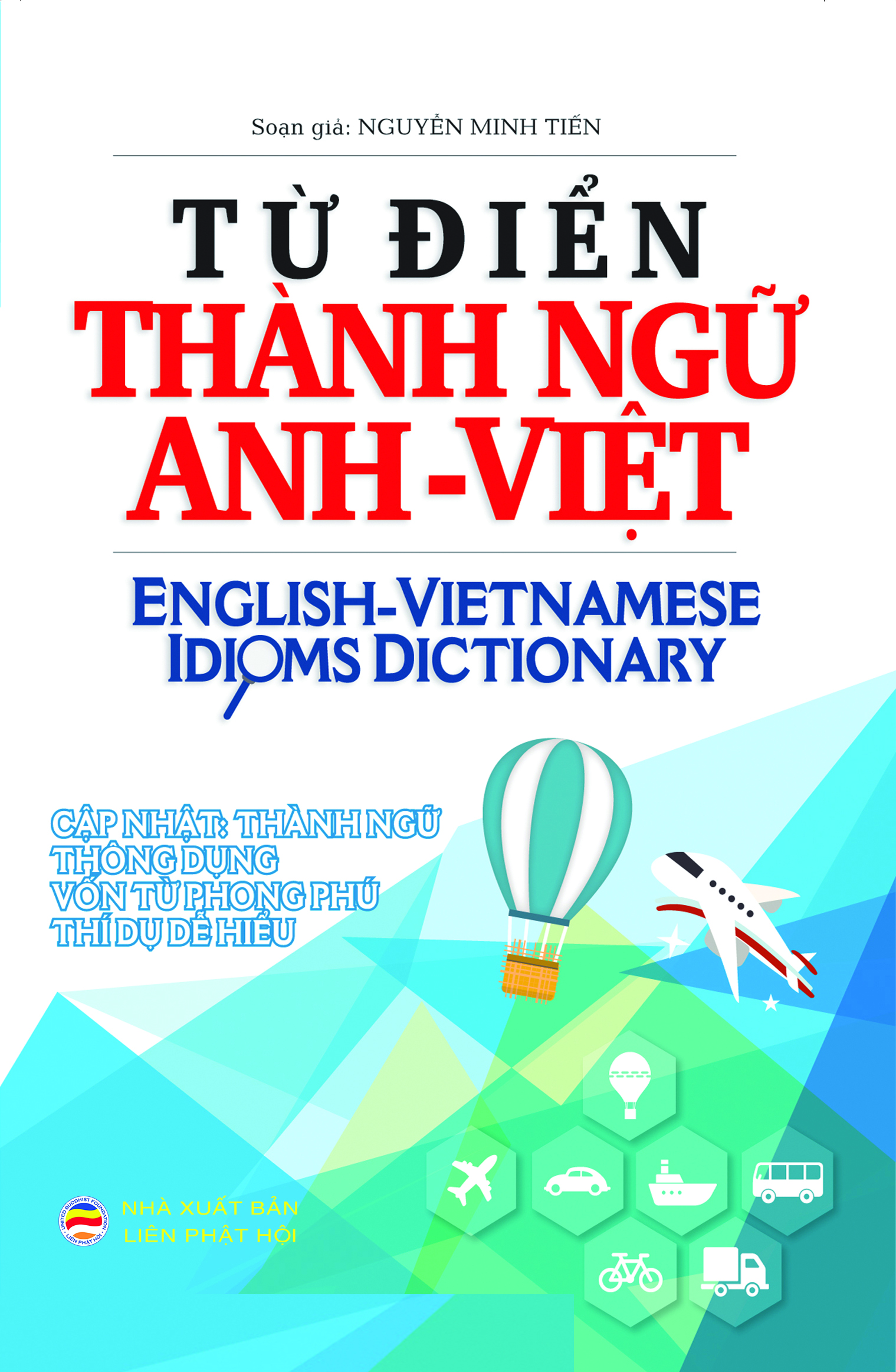
TỪ ĐIỂN HỮU ÍCH CHO NGƯỜI HỌC TIẾNG ANH
DO NXB LIÊN PHẬT HỘI PHÁT HÀNH

BẢN BÌA CỨNG (HARDCOVER)
1200 trang - 54.99 USD

BẢN BÌA THƯỜNG (PAPERBACK)
1200 trang - 45.99 USD


BẢN BÌA CỨNG (HARDCOVER)
728 trang - 29.99 USD

BẢN BÌA THƯỜNG (PAPERBACK)
728 trang - 22.99 USD
Mua sách qua Amazon sẽ được gửi đến tận nhà - trên toàn nước Mỹ, Canada, Âu châu và Úc châu.
Quý vị đang truy cập từ IP 216.73.216.23, 147.243.245.210 và chưa ghi danh hoặc đăng nhập trên máy tính này. Nếu là thành viên, quý vị chỉ cần đăng nhập một lần duy nhất trên thiết bị truy cập, bằng email và mật khẩu đã chọn.
Chúng tôi khuyến khích việc ghi danh thành viên ,để thuận tiện trong việc chia sẻ thông tin, chia sẻ kinh nghiệm sống giữa các thành viên, đồng thời quý vị cũng sẽ nhận được sự hỗ trợ kỹ thuật từ Ban Quản Trị trong quá trình sử dụng website này.
Việc ghi danh là hoàn toàn miễn phí và tự nguyện.
Ghi danh hoặc đăng nhập
 Viên Hiếu Thành Huệ Lộc 1959 Bữu Phước Chúc Huy Minh Pháp Tự minh hung thich Diệu Âm Phúc Thành Phan Huy Triều Phạm Thiên Trương Quang Quý Johny Dinhvinh1964 Pascal Bui Vạn Phúc Giác Quý Trần Thị Huyền Chanhniem Forever NGUYỄN TRỌNG TÀI KỲ Dương Ngọc Cường Mr. Device Tri Huynh Thích Nguyên Mạnh Thích Quảng Ba T TH Tam Thien Tam Nguyễn Sĩ Long caokiem hoangquycong Lãn Tử Ton That Nguyen ngtieudao Lê Quốc Việt Du Miên Quang-Tu Vu phamthanh210 An Khang 63 zeus7777 Trương Ngọc Trân Diệu Tiến ... ...
 ... ...