Kẻ không biết đủ, tuy giàu mà nghèo. Người biết đủ, tuy nghèo mà giàu. Kinh Lời dạy cuối cùng


Chớ khinh thường việc ác nhỏ mà làm; đốm lửa nhỏ có thể thiêu cháy cả núi rừng làng mạc. Chớ chê bỏ việc thiện nhỏ mà không làm, như giọt nước nhỏ lâu ngày cũng làm đầy chum vại lớn.Lời Phật dạy
Ai sống một trăm năm, lười nhác không tinh tấn, tốt hơn sống một ngày, tinh tấn tận sức mình.Kinh Pháp cú (Kệ số 112)
Giữ tâm thanh tịnh, ý chí vững bền thì có thể hiểu thấu lẽ đạo, như lau chùi tấm gương sạch hết dơ bẩn, tự nhiên được sáng trong.Kinh Bốn mươi hai chương
Hãy đạt đến thành công bằng vào việc phụng sự người khác, không phải dựa vào phí tổn mà người khác phải trả. (Earn your success based on service to others, not at the expense of others.)H. Jackson Brown, Jr.
Với kẻ kiên trì thì không có gì là khó, như dòng nước chảy mãi cũng làm mòn tảng đá.Kinh Lời dạy cuối cùng
Tôi không thể thay đổi hướng gió, nhưng tôi có thể điều chỉnh cánh buồm để luôn đi đến đích. (I can't change the direction of the wind, but I can adjust my sails to always reach my destination.)Jimmy Dean
Kỳ tích sẽ xuất hiện khi chúng ta cố gắng trong mọi hoàn cảnh.Sưu tầm
Tôi tìm thấy hy vọng trong những ngày đen tối nhất và hướng về những gì tươi sáng nhất mà không phê phán hiện thực. (I find hope in the darkest of days, and focus in the brightest. I do not judge the universe.)Đức Đạt-lai Lạt-ma XIV
Kẻ hung dữ hại người cũng như ngửa mặt lên trời mà phun nước bọt. Nước bọt ấy chẳng lên đến trời, lại rơi xuống chính mình.Kinh Bốn mươi hai chương
Nếu người nói nhiều kinh, không hành trì, phóng dật; như kẻ chăn bò người, không phần Sa-môn hạnh.Kinh Pháp cú (Kệ số 19)
 Trang chủ
none
»» none
(Lượt xem:
3.816)
Xem trong Thư phòng Xem định dạng khác  Xem Mục lục

 Xem Mục lục
- none
- none
- none
- none
- none
- none
- none
- none
- none
- none
- none
- none
- none
- none
- The Path of Peace: A Journey of Healing Across America
- none
- none
- none
- none
- He Walks Like Christ, He Walks with the Buddha
- none
- The Rules Don't Shiver
- Will you be my dad until I die?
- none
- none
- The Old Man at the Thrift Store
- none
- none
- none
- none
- none
- none
- More Than Half a Century of the World Buddhist Sangha Council
- none
- none
- none
- none
- none
- none
- none
- none
- none
- none
- none
- none
- none
- none
- none
- none
- none
- none
- none
- none
- none
- none
- none
- none
- none
- none
- none
- none
- none
- none
- none
- none
- none
- none
- none
- none
- none
- none
- none
- none
- none
- none
- Equity in Existence and Mortality (Life and Death)
- none
- none
- none
- none
- none
- none
- none
- none
- none
- none
- none
- none
- none
- none
- none
- none
- none
- The Buddhist Just Society
- The Buddhist Just Society
- none
- none
- none
- none
- none
- none
- none
- none
- none
- none
- none
- none
- none
- none
- none
- none
- The Broken Gong
- none
- none
- none
- none
- none
- none
- none
- none
- none
- none
- none
- none
- none
- none
- none
- How to Do Metta
- none
- none
- none
- Six Ways to Boost Blood Flow
- none
- none
- none
- Thich Nhat Hanh’s Love Letter to the Earth
- none
- none
- none
- none
- none
- none
- none
- none
- none
- none
- none
- none
- Introduction: The Central Place of the Ideas of Karma and Rebirth in Buddhist Thought
- none
- none
- none
- none
- none
- none
- none
- none
- none
- »» none
- none
- none
- none
- none
- none
- none
- Chapter 25: Human Rights
- none
- none
- none
- none
- none
- none
- none
- none
- none
- none
- none
- none
- none
- none
- none
- none
- none
- none
- none
- none
- none
- none
- none
- none
- none
- none
- none
- none
- none
- none
- none
- Dear beloved Thay
- Dear beloved Thay
- none
- Bāhiya's Teaching: In the Seen is just the Seen
- Bāhiya's Teaching: In the Seen is just the Seen
- none
- none
- none
- none
- none
- none
- Buddha on Politics, Economics, and Statecraft
- none
- none
- none
- none
- none
- none
- none
- none
- none
- none
- none
- none
- none
- Tonglen on the Spot
- none
- none
- none
- none
- none
- none
- none
- none
- none
- none
- none
- none
- none
- none
- none
- none
- none
- none
- none
- none
- none
- none
- none
- none
- none
- none
- none
- War, Violence, Hatred, Non-violence, and Compassion.
- none
- none
- none
- none
- none
- none
- none
- none
- none
- none
- none
- none
- none
- none
- none
- none
- none
- none
- none
- none
- none
- none
- none
- none
- none
- none
- none
- none
- none
- none
- none
- none
- none
- none
- none
- none
- none
- none
- none
- none
- none
- none
- none
- none
- none
- Vasubandhu
- none
- none
- none
- none
- none
- none
- none
- none
- none
- none
- none
- none
- none
- none
- none
- none
- none
- none
- none
- none
- none
- none
- none
- none
- Volodymyr Zelensky’s inaugural address
- none
- none
- none
- none
- none
- none
- none
- none
- none
- none
- none
- none
- none
- none
- none
- none
- none
- none
- none
- The Cat Who Went To Heaven
- none
- none
- none
- Speech by Dr. Carola Roloff
- none
- none
- none
- none
- none
- none
- none
- none
- none
- none
- none
- none
- none
- none
- none
- none
- none
- none
- none
- none
- none
- none
- Practical Vipassana Meditation Excercises by Mahasi Sayadaw
- none
- none
- none
- none
- none
- none
- none
- none
- none
- none
- none
- none
- none
- none
- none
- none
- none
- none
- none
- none
- none
- none
- none
- none
- none
- none
- none
- none
- none
- none
- none
- none
- The Art of Living
- none
- none
- none
- none
- none
- none
- none
- none
- none
- none
- none
- none
- BIOGRAPHY OF THE MOST VENERABLE BHIKSUNI THÍCH NỮ DIỆU TÂM
- none
- PIANO SONATA 14
- none
- none
- none
- none
- none
- none
- none
- none
- none
- none
- none
- none
- none
- none
- The Hermit Who Owned His Mountain
- none
- none
- none
- none
- none
- none
- none
- none
- none
- none
- none
- none
- none
- none
- none
- none
- A story about Nagarjuna
- none
- none
- none
- none
- Dhamma Talk of Master Thich Nhu Dien
- none
- none
- Magical Emanations: The Unexpected Lives of Western Tulkus
- none
- none
- none
- none
- none
- none
- none
- none
- none
- none
- none
- none
- none
- none
- none
- none
- Introduction to the selections from Vajrayāna Buddhism
- Introduction to the selections from Mahāyāna Buddhism
- Introduction to the selections from Theravāda Buddhism
- Introduction to the Sangha, or community of disciples
- Introduction on the life of the historical Buddha
- INTRODUCTION
- none
- none
- Dharma Talk at Beel Low See Temple, Singapore
- none
- none
- Buddhist Perspectives on Contemporary Issues
- none
- none
- none
- none
- none
- none
- none
- none
- none
- none
- none
- none
- none
- none
- none
- none
- none
- none
- How Lankan Buddhists won the battle against proselytization
- none
- none
- none
- none
- none
- none
- none
- none
- none
- none
- none
- none
- none
- none
- none
- none
- none
- none
- none
- none
- none
- none
- none
- none
- none
- none
- none
- none
- none
- none
- none
- none
- none
- none
- none
- none
- none
- none
- none
- none
- none
- none
- none
- none
- none
- none
- none
- none
- none
- none
- none
- none
- none
- none
- none
- none
- none
- none
- none
- none
- none
- none
- none
- none
- none
- none
- none
- none
- none
- none
- none
- none
- none
- none
- none
- none
- none
- none
- none
- none
- none
- none
- none
- none
- none
- none
- none
- none
- none
- none
- none
- none
- none
- none
- none
- none
- none
- none
- none
- none
- none
- none
- none
- none
- none
- none
- none
- none
- none
- none
- none
- none
- none
- none
- none
- none
- Managing Emotions Effectively in Uncertain Times
- What Happens After Coronavirus?
- none
- none
- none
- none
- none
- none
- none
- none
- The Thirty-Seven Practices of All the Bodhisattvas
- none
- none
- none
- none
- none
- none
- none
- Invitation to Presencing for Each Other 6
- none
- none
- none
- none
- none
- none
- none
- The Desert Willow
- none
- Antonio and His Treasure
- none
- Tim and Grandpa Joe
- none
- none
- none
- Amrita and the Elephants
- Egbert and the Fisherman
- The Spirit of the Tree
- Danan and the Serpent
- none
- none
- The Beautiful White Horse
- none
- none
- none
- The Monkey Thieves
- Angelica and King Frederick
- Aloka and the Band of Robbers
- none
- The Shiny Red Train
- The Sheep Stealers
- none
- Ester and Lucky
- The new girl
- none
- The Enlightenment of Chiyono
- The Magic Moonlight Tree
- none
- none
- none
- Bella and the Magic Soup
- none
- none
- none
- none
- none
- none
- none
- none
- none
- none
- none
- none
- none
- none
- none
- none
- none
- none
- none
- none
- none
- none
- none
- none
- none
- none
- none
- none
- none
- none
- none
- none
- none
- none
- none
- none
- none
- none
- none
- none
- none
- none
- none
- none
- none
- none
- none
- none
- none
- none
- none
- none
- none
- none
- none
- none
- none
- none
- none
- none
- none
- none
- none
- none
- none
- none
- none
- none
- none
- none
- none
- none
- none
- none
- none
- none
- none
- none
- none
- The Man-made Obstacle Distinguishing between problems of human birth and problems of human making
- none
- none
- How to Practice Chanting
- none
- none
- none
- none
- none
- Marx and Walking Zen
- none
- none
- The Math Koan
- none
- none
- none
- none
- none
- none
- none
- none
- none
- none
- Phổ Môn Kệ Tụng
- none
- none
- none
- none
- none
- none
- How Buddhists Can Benefit from Western Philosophy
- none
- none
- none
- none
- none
- The Birth of an American Form of Buddhism: The Japanese-American Buddhist Experience in World War II
- none
- none
- none
- none
- none
- none
- none
- none
- none
- none
- none
- none
- none
- none
- none
- none
- none
- none
- none
- none
- none
- none
- none
- none
- none
- none
- none
- none
- none
- none
- none
- none
- none
- none
- none
- none
- none
- none
- none
- none
- none
- none
- none
- none
- none
- none
- none
- none
- none
- none
- none
- none
- none
- none
- none
- none
- none
- none
- none
- none
- none
- none
- none
- none
- none
- none
- none
- none
- none
- none
- none
- none
- none
- none
- none
- none
- none
- none
- none
- none
- none
- none
- none
- none
- none
- none
- none
- none
- none
- none
- none
- The Flood of Tears
- none
- none
- none
- none
- none
- none
- none
- none
- none
- none
- none
- none
- none
- none
- none
- none
- none
- none
- none
- none
- none
- none
- none
- none
- none
- none
- none
- none
- none
- none
- none
- none
- none
- none
- none
- none
- none
- none
- none
- none
- none
- none
- none
- none
- none
- none
- none
- none
- none
- none
- none
- none
- none
- none
- none
- none
- none
- none
- none
- none
- none
- none
- none
- none
- none
- none
- none
- none
- none
- none
- none
- none
- none
- none
- none
- none
- none
- none
- none
- none
- none
- none
- none
- none
- none
- none
- none
- none
- none
- none
- none
- none
- none
- none
- none
- Can our brains see the fourth dimension?
- none
- none
- none
- none
- none
- none
- none
- none
- none
- none
- none
- none
- none
- none
- none
- none
- none
- none
- none
- none
- none
- none
- none
- none
- none
- none
- none
- none
- none
- none
- none
- none
- none
- none
- none
- none
- none
- none
- none
- none
- none
- Our dedication
- none
- none
- none
- none
- none
- Peace in each breath is peace in life Practice breathing for good sleep and peace in life.
- none
- none
- none
- none
- none
- none
- none
- none
- The Price of a Miracle
- none
- none
- none
- none
- none
- none
- none
- none
- none
- none
- none
- none
- none
- none
- none
- none
- none
- none
- none
- none
- none
- none
- none
- none
- none
- none
- none
- none
- none
- none
- Reminiscing Elder Brother Cao Chanh Huu
- none
- none
- none
- none
- none
- none
- none
- none
- none
- none
- none
- none
- none
- none
- none
- none
- none
- none
- Everything is Changeable
- none
- none
- none
- none
- none
- none
- none
- none
- none
- none
- none
- none
- none
- none
- none
- none
- none
- none
- none
- none
- none
- none
- none
- none
- none
- none
- none
- none
- none
- none
- none
- none
- none
- none
- 太上感應篇(第一集)新加坡淨宗學會
- none
- none
- none
- none
- none
- none
- none
- none
- none
- none
- none
- none
- none
- none
- none
- none
- none
- none
- none
- none
- none
- none
- none
- none
- none
- none
- none
- none
- none
- none
- none
- none
- none
- none
- none
- none
- none
- none
- none
- none
- none
- none
- none
- none
- none
- none
- none
- none
- none
- none
- none
- none
- none
- none
- none
- none
- none
- none
- none
- none
- none
- none
- none
- none
- none
- none
- none
- none
- none
- none
- none
- none
- none
- none
- none
- none
- none
- none
- none
- none
- A Devoted Son
- none
- none
- none
- none
- none
- none
- none
- The Art of Living: Vipassana Meditation
- none
- none
- none
- none
- none
- none
- none
- none
- none
- none
- none
- none
- none
- none
- none
- none
- none
- none
- none
- none
- none
- none
- none
- none
- none
- none
- none
- none
- none
- none
- none
- none
- none
- none
- none
- none
- none
- none
- none
- none
- none
- none
- none
- none
- none
- none
- none
- none
- none
- none
- none
- none
- none
- none
- none
- none
- none
- none
- “Returning Home” a Dharma retreat for the Youth in America
- none
- none
- none
- none
- none
- none
- none
- none
- none
- none
- none
- none
- none
- none
- none
- none
- none
- none
- none
- none
- none
- none
- none
- none
- none
- none
- none
- none
- none
- none
- none
- none
- none
- none
- none
- none
- none
- none
- none
- none
- none
- none
- none
- none
- none
- none
- none
- none
- none
- none
- none
- none
- none
- none
- none
- none
- none
- none
- none
- none
- none
- none
- none
- none
- none
- none
- none
- none
- none
- none
- none
- none
- TET, a Vietnamese Tradition
- Wake Up - The Awakening from Within
- none
- none
- none
- none
- none
- none
- none
- none
- none
- How a Hollywood Mogul Found True Happiness
- none
- none
- none
- none
- none
- none
- none
- none
- none
- none
- Lonely Journey of Thousand Miles
- none
- none
- none
- none
- none
- none
- none
- none
- none
- none
- Discourse on Loving Kindness (Metta Sutra)
- none
- none
- none
- none
- none
- none
- none
- none
- none
- none
- none
- none
- none
- none
- Ambrosia Rain – The Merit of Life-Release
- Place Holder of Thousands of Stars
- none
- none
- none
- none
- none
- none
- none
- none
- none
- none
- none
- none
- none
- none
- none
- none
- none
- none
- none
- none
- none
- none
- none
- none
- none
- none
- none
- none
- none
- none
- none
- none
- none
- none
- none
- none
- none
- none
- none
- none
- none
- Your Light May Go Out
- none
- none
- none
- none
- none
- The Ultimate Happiness
- none
- none
- none
- none
- none
- none
- none
- Dalai Lama: 5 things to keep in mind for the next four years
- none
- none
- none
- none
- none
- none
- none
- none
- Buddhism scripture teachers struggling to keep up with demand from state schools
- none
- none
- none
- none
- none
- none
- none
- none
- none
- none
- none
- none
- none
- none
- none
- LETTER TO THỪA THIÊN - HUẾ'S BUDDHIST STUDENTS
- Why Larung Gar, the Buddhist institute in eastern Tibet, is important
- none
- none
- Buddhism and the Youth
- Five Precepts
- none
- none
- none
- none
- none
- none
- none
- none
- none
- none
- none
- none
- none
- none
- none
- none
- none
- none
- none
- none
- none
- none
- none
- none
- none
- none
- none
- none
- none
- none
- none
- none
- none
- none
- none
- none
- none
- none
- none
- none
- none
- none
- none
- none
- none
- none
- none
- none
- none
- none
- none
- none
- none
- none
- none
- none
- none
- none
- none
- none
- none
- none
- none
- none
- none
- none
- none
- none
- none
- none
- none
- none
- none
- none
- none
- none
- none
- none
- none
- none
- none
- none

Font chữ:



« Xem chương trước « Sách này có 1564 chương » » Xem chương tiếp theo »
» Tải file Word về máy » - In chương sách này
_______________
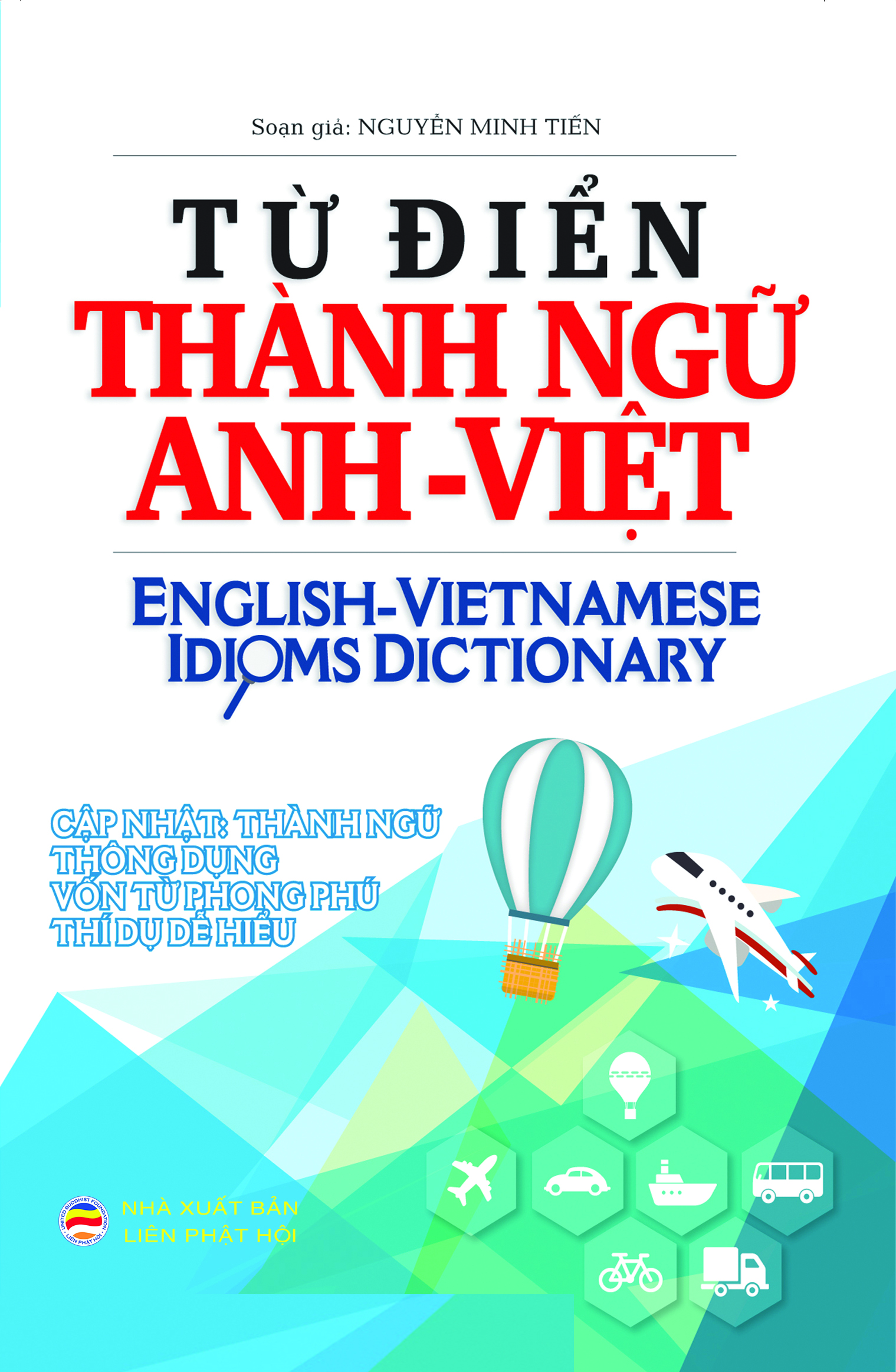
TỪ ĐIỂN HỮU ÍCH CHO NGƯỜI HỌC TIẾNG ANH
DO NXB LIÊN PHẬT HỘI PHÁT HÀNH

BẢN BÌA CỨNG (HARDCOVER)
1200 trang - 54.99 USD

BẢN BÌA THƯỜNG (PAPERBACK)
1200 trang - 45.99 USD


BẢN BÌA CỨNG (HARDCOVER)
728 trang - 29.99 USD

BẢN BÌA THƯỜNG (PAPERBACK)
728 trang - 22.99 USD
Mua sách qua Amazon sẽ được gửi đến tận nhà - trên toàn nước Mỹ, Canada, Âu châu và Úc châu.
Quý vị đang truy cập từ IP 216.73.216.23, 147.243.245.215 và chưa ghi danh hoặc đăng nhập trên máy tính này. Nếu là thành viên, quý vị chỉ cần đăng nhập một lần duy nhất trên thiết bị truy cập, bằng email và mật khẩu đã chọn.
Chúng tôi khuyến khích việc ghi danh thành viên ,để thuận tiện trong việc chia sẻ thông tin, chia sẻ kinh nghiệm sống giữa các thành viên, đồng thời quý vị cũng sẽ nhận được sự hỗ trợ kỹ thuật từ Ban Quản Trị trong quá trình sử dụng website này.
Việc ghi danh là hoàn toàn miễn phí và tự nguyện.
Ghi danh hoặc đăng nhập
Thành viên đang online:
 Viên Hiếu Thành Huệ Lộc 1959 Bữu Phước Chúc Huy Minh Pháp Tự minh hung thich Diệu Âm Phúc Thành Phan Huy Triều Phạm Thiên Trương Quang Quý Johny Dinhvinh1964 Pascal Bui Vạn Phúc Giác Quý Trần Thị Huyền Chanhniem Forever NGUYỄN TRỌNG TÀI KỲ Dương Ngọc Cường Mr. Device Tri Huynh Thích Nguyên Mạnh Thích Quảng Ba T TH Tam Thien Tam Nguyễn Sĩ Long caokiem hoangquycong Lãn Tử Ton That Nguyen ngtieudao Lê Quốc Việt Du Miên Quang-Tu Vu phamthanh210 An Khang 63 zeus7777 Trương Ngọc Trân Diệu Tiến ... ...
... ...
Viên Hiếu Thành Huệ Lộc 1959 Bữu Phước Chúc Huy Minh Pháp Tự minh hung thich Diệu Âm Phúc Thành Phan Huy Triều Phạm Thiên Trương Quang Quý Johny Dinhvinh1964 Pascal Bui Vạn Phúc Giác Quý Trần Thị Huyền Chanhniem Forever NGUYỄN TRỌNG TÀI KỲ Dương Ngọc Cường Mr. Device Tri Huynh Thích Nguyên Mạnh Thích Quảng Ba T TH Tam Thien Tam Nguyễn Sĩ Long caokiem hoangquycong Lãn Tử Ton That Nguyen ngtieudao Lê Quốc Việt Du Miên Quang-Tu Vu phamthanh210 An Khang 63 zeus7777 Trương Ngọc Trân Diệu Tiến ... ... ... ...