Đừng than khóc khi sự việc kết thúc, hãy mỉm cười vì sự việc đã xảy ra. (Don’t cry because it’s over, smile because it happened. )Dr. Seuss
Thành công có nghĩa là đóng góp nhiều hơn cho cuộc đời so với những gì cuộc đời mang đến cho bạn. (To do more for the world than the world does for you, that is success. )Henry Ford
Hãy lặng lẽ quan sát những tư tưởng và hành xử của bạn. Bạn sâu lắng hơn cái tâm thức đang suy nghĩ, bạn là sự tĩnh lặng sâu lắng hơn những ồn náo của tâm thức ấy. Bạn là tình thương và niềm vui còn chìm khuất dưới những nỗi đau. (Be the silent watcher of your thoughts and behavior. You are beneath the thinkers. You are the stillness beneath the mental noise. You are the love and joy beneath the pain.)Eckhart Tolle
Người nhiều lòng tham giống như cầm đuốc đi ngược gió, thế nào cũng bị lửa táp vào tay. Kinh Bốn mươi hai chương
Vết thương thân thể sẽ lành nhưng thương tổn trong tâm hồn sẽ còn mãi suốt đời. (Stab the body and it heals, but injure the heart and the wound lasts a lifetime.)Mineko Iwasaki
Thước đo giá trị con người chúng ta là những gì ta làm được bằng vào chính những gì ta sẵn có. (The measure of who we are is what we do with what we have.)Vince Lombardi
Để có thể hành động tích cực, chúng ta cần phát triển một quan điểm tích cực. (In order to carry a positive action we must develop here a positive vision.)Đức Đạt-lai Lạt-ma XIV
Đừng chọn sống an nhàn khi bạn vẫn còn đủ sức vượt qua khó nhọc.Sưu tầm
Học Phật trước hết phải học làm người. Làm người trước hết phải học làm người tốt. (學佛先要學做人,做人先要學做好人。)Hòa thượng Tinh Không
Những người hay khuyên dạy, ngăn người khác làm ác, được người hiền kính yêu, bị kẻ ác không thích.Kinh Pháp cú (Kệ số 77)
Một số người mang lại niềm vui cho bất cứ nơi nào họ đến, một số người khác tạo ra niềm vui khi họ rời đi. (Some cause happiness wherever they go; others whenever they go.)Oscar Wilde
Trang chủ »» Danh mục »» TỦ SÁCH RỘNG MỞ TÂM HỒN »» none »» none »»
 Xem Mục lục

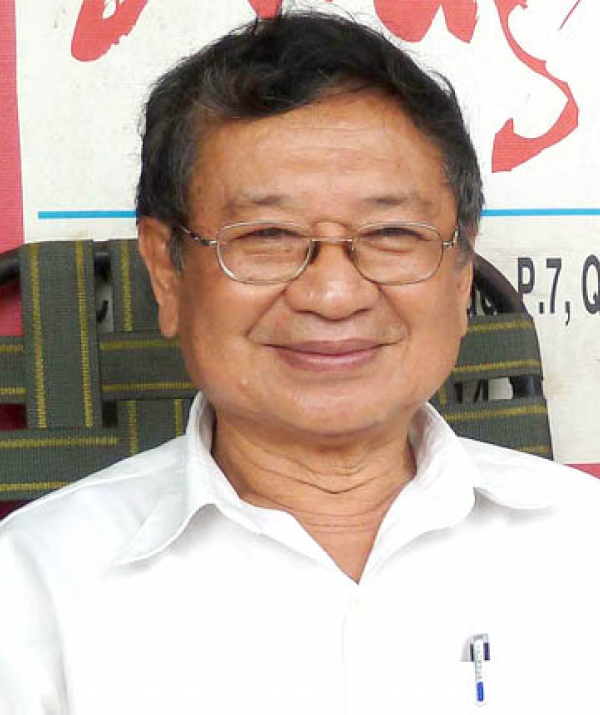
DO NXB LIÊN PHẬT HỘI PHÁT HÀNH

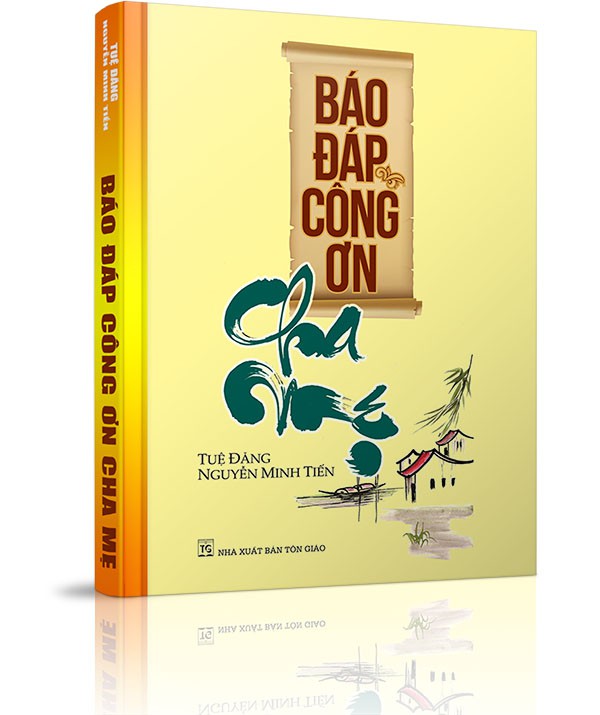

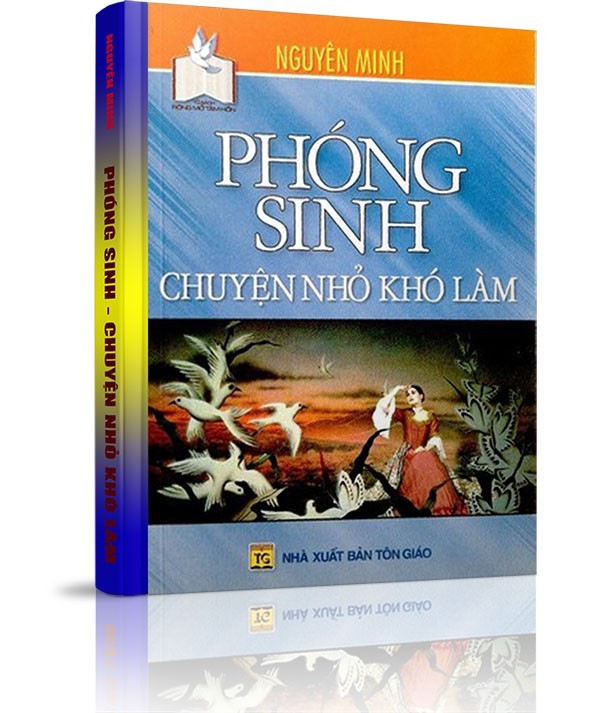



Mua sách qua Amazon sẽ được gửi đến tận nhà - trên toàn nước Mỹ, Canada, Âu châu và Úc châu.
Quý vị đang truy cập từ IP 216.73.216.157 và chưa ghi danh hoặc đăng nhập trên máy tính này. Nếu là thành viên, quý vị chỉ cần đăng nhập một lần duy nhất trên thiết bị truy cập, bằng email và mật khẩu đã chọn.
Chúng tôi khuyến khích việc ghi danh thành viên ,để thuận tiện trong việc chia sẻ thông tin, chia sẻ kinh nghiệm sống giữa các thành viên, đồng thời quý vị cũng sẽ nhận được sự hỗ trợ kỹ thuật từ Ban Quản Trị trong quá trình sử dụng website này.
Việc ghi danh là hoàn toàn miễn phí và tự nguyện.
Ghi danh hoặc đăng nhập
 Viên Hiếu Thành Huệ Lộc 1959 Bữu Phước Chúc Huy Minh Pháp Tự minh hung thich Diệu Âm Phúc Thành Phan Huy Triều Phạm Thiên Trương Quang Quý Johny Dinhvinh1964 Pascal Bui Vạn Phúc Giác Quý Trần Thị Huyền Chanhniem Forever NGUYỄN TRỌNG TÀI KỲ Dương Ngọc Cường Mr. Device Tri Huynh Thích Nguyên Mạnh Thích Quảng Ba T TH Tam Thien Tam Nguyễn Sĩ Long caokiem hoangquycong Lãn Tử Ton That Nguyen ngtieudao Lê Quốc Việt Du Miên Quang-Tu Vu phamthanh210 An Khang 63 zeus7777 Trương Ngọc Trân Diệu Tiến ... ...
 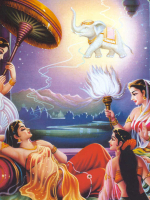 Nhớ nghĩ về loài voi trong Phật giáo
 Aloka và băng cướp
 Phật Giáo Việt Nam tại Nhật Bản qua các thời kỳ (từ năm 1953 đến năm 2018)
 CŨNG CHẲNG CÓ HÀNH TRÌNH CHI
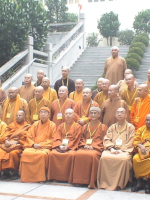 Hơn nửa thế kỷ của Hội Đồng Tăng Già Thế Giới

 Trang chủ