Điều người khác nghĩ về bạn là bất ổn của họ, đừng nhận lấy về mình. (The opinion which other people have of you is their problem, not yours. )Elisabeth Kubler-Ross


Nếu chúng ta luôn giúp đỡ lẫn nhau, sẽ không ai còn cần đến vận may. (If we always helped one another, no one would need luck.)Sophocles
Cho dù không ai có thể quay lại quá khứ để khởi sự khác hơn, nhưng bất cứ ai cũng có thể bắt đầu từ hôm nay để tạo ra một kết cuộc hoàn toàn mới. (Though no one can go back and make a brand new start, anyone can start from now and make a brand new ending. )Carl Bard
Cuộc sống xem như chấm dứt vào ngày mà chúng ta bắt đầu im lặng trước những điều đáng nói. (Our lives begin to end the day we become silent about things that matter. )Martin Luther King Jr.
Chớ khinh tội nhỏ, cho rằng không hại; giọt nước tuy nhỏ, dần đầy hồ to! (Do not belittle any small evil and say that no ill comes about therefrom. Small is a drop of water, yet it fills a big vessel.)Kinh Đại Bát Niết-bàn
Điều kiện duy nhất để cái ác ngự trị chính là khi những người tốt không làm gì cả. (The only thing necessary for the triumph of evil is for good men to do nothing.)Edmund Burke
Hoàn cảnh không quyết định nơi bạn đi đến mà chỉ xác định nơi bạn khởi đầu. (Your present circumstances don't determine where you can go; they merely determine where you start.)Nido Qubein
Sự giúp đỡ tốt nhất bạn có thể mang đến cho người khác là nâng đỡ tinh thần của họ. (The best kind of help you can give another person is to uplift their spirit.)Rubyanne
Kẻ ngốc nghếch truy tìm hạnh phúc ở xa xôi, người khôn ngoan gieo trồng hạnh phúc ngay dưới chân mình. (The foolish man seeks happiness in the distance, the wise grows it under his feet. )James Oppenheim
Niềm vui cao cả nhất là niềm vui của sự học hỏi. (The noblest pleasure is the joy of understanding.)Leonardo da Vinci
Lửa nào bằng lửa tham! Chấp nào bằng sân hận! Lưới nào bằng lưới si! Sông nào bằng sông ái!Kinh Pháp cú (Kệ số 251)
 Trang chủ
- Danh mục
- Từ điển Hán Anh
- Đang xem mục từ: tây tạng phật giáo - 西藏佛教
Trang chủ »» Danh mục »» Từ điển Hán Anh »» Đang xem mục từ: tây tạng phật giáo - 西藏佛教 »»
Từ điển Hán Anh »» Đang xem mục từ: tây tạng phật giáo - 西藏佛教
Quý vị có thể nhập âm Hán-Việt hoặc copy chữ Hán dán vào
Kết quả tra từ:
- tây tạng phật giáo :
西藏佛教 - [py] xīcángfójiāo [wg] hsi-ts'ang-fo-chiao [ko] 서장불교 sŏjang pulgyo [ja] セイゾウブッキョウ seizōbukkyō ||| Tibetan Buddhism. In Japanese, also Chibetto Bukkyō. Tibet bordered directly on India, and although the spread of Buddhism into that area was continuous, it was not until the seventh century that a solid Buddhist element had developed. Tibet was an isolated mountain country and also possessed a well-established native tradition in the Bon religion. Nonetheless, through the eighth and ninth centuries Buddhism grew in influence, and sects began to form as the Tripitaka was translated into the Tibetan language. The eleventh century was a period of significant growth for Tibetan Buddhism through the influence of three major teachers of the period, Atiṣa (982-1054), Marpa (1012-1097), and Milarepa (1040-1123). The origins of Tibetan Buddhism's most well-known sect, the Gelukpa ("Partisans of Virtue"), can be traced back to its influential teacher, Tsong-kha-pa (1357-1419). It was Tsong-kha-pa and his school who implemented the famous geshe training system, wherein monks study at a Buddhist monastic college until they attain the equivalent of a Ph.D. in Buddhist philosophy. To this day Gelukpa monks are trained in accordance with this geshe system, accounting for the strong level of scholastic discipline for which this sect is famous. Tsong-kha-pa's line is also associated with the development of a custom familiar to many modern peoplethe Dalai Lama system. The term lama 喇嘛 means "spiritual guide" and is equivalent to the Sanskrit term, guru. The Dalai Lama line started in the fifteenth century with the third successor in Tsong-kha-pa's line, his nephew Gendun Truppa, who was believed to be an incarnation of the great bodhisattva Avalokiteśvara. Since the time of this first Dalai Lama, the Dalai Lamas have been considered to be the ongoing reincarnation of Avalokiteśvara, who is repeatedly found as a baby born forty-nine days after the death of the prior incarnation. The present Dalai Lama is the fourteenth incarnation in this line.
In terms of doctrine and practice, Tibetan Buddhism has been developed primarily out of three major streams that it received from India: Mādhyamika 中觀派, Yogācāra 瑜伽行派 and Vajrayāna 密教. Developments in Tibet of the latter school have been especially pronounced, as the tendencies of indigenous Tibetan shamanic practice thought provided much additional impetus to the Vajrayana tradition that had been developed by the Indians. Thus, Tibetan Buddhism is up to the present distinguished by its extensive use of mantras, ritual, iconography and its precise documentation of esoteric matters such as the passage of the spirit to its next destination after death. [Dictionary References] JE29b/31 FKS2593 DFB [Credit] cmuller(entry)
(Digital Dictionary of Buddhism - A. Charles Muller)
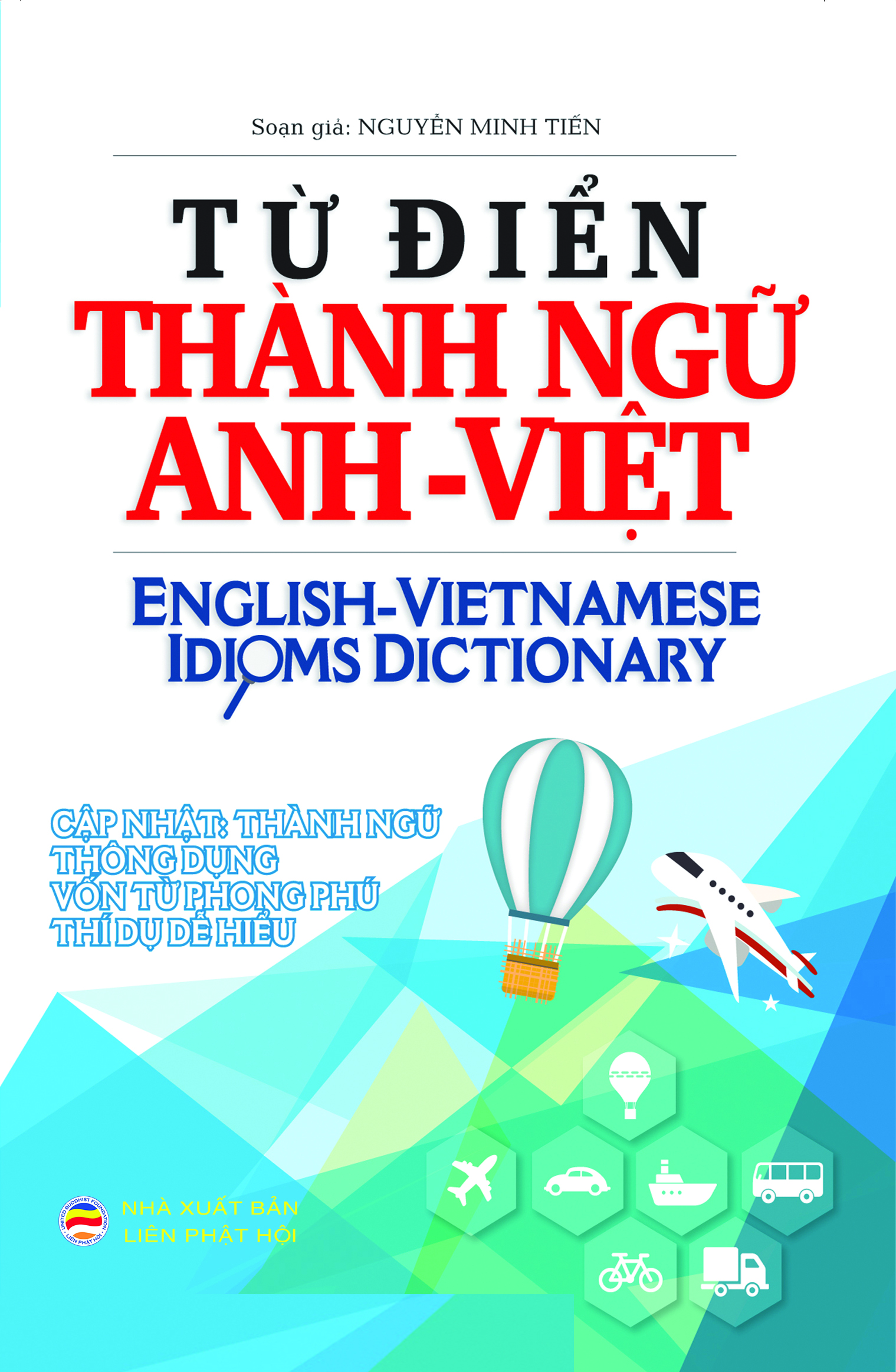
TỪ ĐIỂN HỮU ÍCH CHO NGƯỜI HỌC TIẾNG ANH
DO NXB LIÊN PHẬT HỘI PHÁT HÀNH

BẢN BÌA CỨNG (HARDCOVER)
1200 trang - 54.99 USD

BẢN BÌA THƯỜNG (PAPERBACK)
1200 trang - 45.99 USD


BẢN BÌA CỨNG (HARDCOVER)
728 trang - 29.99 USD

BẢN BÌA THƯỜNG (PAPERBACK)
728 trang - 22.99 USD
Mua sách qua Amazon sẽ được gửi đến tận nhà - trên toàn nước Mỹ, Canada, Âu châu và Úc châu.
Quý vị đang truy cập từ IP 216.73.216.44, 147.243.245.15 và chưa ghi danh hoặc đăng nhập trên máy tính này. Nếu là thành viên, quý vị chỉ cần đăng nhập một lần duy nhất trên thiết bị truy cập, bằng email và mật khẩu đã chọn.
Chúng tôi khuyến khích việc ghi danh thành viên ,để thuận tiện trong việc chia sẻ thông tin, chia sẻ kinh nghiệm sống giữa các thành viên, đồng thời quý vị cũng sẽ nhận được sự hỗ trợ kỹ thuật từ Ban Quản Trị trong quá trình sử dụng website này.
Việc ghi danh là hoàn toàn miễn phí và tự nguyện.
Ghi danh hoặc đăng nhập
 Viên Hiếu Thành Huệ Lộc 1959 Bữu Phước Chúc Huy Minh Pháp Tự minh hung thich Diệu Âm Phúc Thành Phan Huy Triều Phạm Thiên Trương Quang Quý Johny Dinhvinh1964 Pascal Bui Vạn Phúc Giác Quý Trần Thị Huyền Chanhniem Forever NGUYỄN TRỌNG TÀI KỲ Dương Ngọc Cường Mr. Device Tri Huynh Thích Nguyên Mạnh Thích Quảng Ba T TH Tam Thien Tam Nguyễn Sĩ Long caokiem hoangquycong Lãn Tử Ton That Nguyen ngtieudao Lê Quốc Việt Du Miên Quang-Tu Vu phamthanh210 An Khang 63 zeus7777 Trương Ngọc Trân Diệu Tiến ... ...
 ... ...