

👉 Đang chuẩn bị...
Giọng đọc: ...
Không thể lấy hận thù để diệt trừ thù hận. Kinh Pháp cú
Ngu dốt không đáng xấu hổ bằng kẻ không chịu học. (Being ignorant is not so much a shame, as being unwilling to learn.)Benjamin Franklin
Điều bất hạnh nhất đối với một con người không phải là khi không có trong tay tiền bạc, của cải, mà chính là khi cảm thấy mình không có ai để yêu thương.Tủ sách Rộng Mở Tâm Hồn
Bất lương không phải là tin hay không tin, mà bất lương là khi một người xác nhận rằng họ tin vào một điều mà thực sự họ không hề tin. (Infidelity does not consist in believing, or in disbelieving, it consists in professing to believe what he does not believe.)Thomas Paine
Bậc trí bảo vệ thân, bảo vệ luôn lời nói, bảo vệ cả tâm tư, ba nghiệp khéo bảo vệ.Kinh Pháp Cú (Kệ số 234)
Thành công là tìm được sự hài lòng trong việc cho đi nhiều hơn những gì bạn nhận được. (Success is finding satisfaction in giving a little more than you take.)Christopher Reeve
Khi mọi con đường đều bế tắc, đừng từ bỏ. Hãy tự vạch ra con đường của chính mình. (When all the ways stop, do not give up. Draw a way on your own.)Sưu tầm
Mất lòng trước, được lòng sau. (Better the first quarrel than the last.)Tục ngữ
Lửa nào sánh lửa tham? Ác nào bằng sân hận? Khổ nào sánh khổ uẩn? Lạc nào bằng tịnh lạc?Kinh Pháp Cú (Kệ số 202)
Mỗi cơn giận luôn có một nguyên nhân, nhưng rất hiếm khi đó là nguyên nhân chính đáng. (Anger is never without a reason, but seldom with a good one.)Benjamin Franklin
Cơ học lượng tử cho biết rằng không một đối tượng quan sát nào không chịu ảnh hưởng bởi người quan sát. Từ góc độ khoa học, điều này hàm chứa một tri kiến lớn lao và có tác động mạnh mẽ. Nó có nghĩa là mỗi người luôn nhận thức một chân lý khác biệt, bởi mỗi người tự tạo ra những gì họ nhận thức. (Quantum physics tells us that nothing that is observed is unaffected by the observer. That statement, from science, holds an enormous and powerful insight. It means that everyone sees a different truth, because everyone is creating what they see.)Neale Donald Walsch
 Trang chủ
Trang chủ »» Danh mục »» »» Tổng quan về Nghiệp »» THAM KHẢO »»
 Xem Mục lục


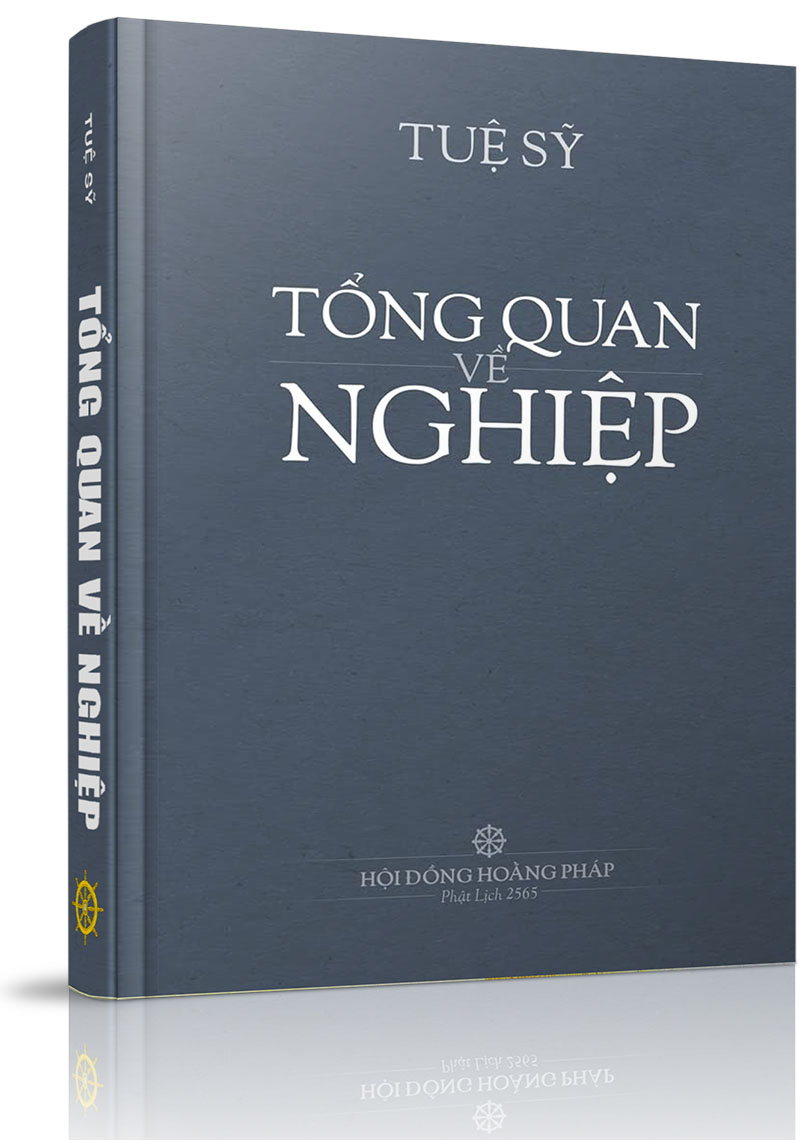
DO NXB LIÊN PHẬT HỘI PHÁT HÀNH


Mua sách qua Amazon sẽ được gửi đến tận nhà - trên toàn nước Mỹ, Canada, Âu châu và Úc châu.
Quý vị đang truy cập từ IP 216.73.216.157 và chưa ghi danh hoặc đăng nhập trên máy tính này. Nếu là thành viên, quý vị chỉ cần đăng nhập một lần duy nhất trên thiết bị truy cập, bằng email và mật khẩu đã chọn.
Chúng tôi khuyến khích việc ghi danh thành viên ,để thuận tiện trong việc chia sẻ thông tin, chia sẻ kinh nghiệm sống giữa các thành viên, đồng thời quý vị cũng sẽ nhận được sự hỗ trợ kỹ thuật từ Ban Quản Trị trong quá trình sử dụng website này.
Việc ghi danh là hoàn toàn miễn phí và tự nguyện.
Ghi danh hoặc đăng nhập
 Viên Hiếu Thành Huệ Lộc 1959 Bữu Phước Chúc Huy Minh Pháp Tự minh hung thich Diệu Âm Phúc Thành Phan Huy Triều Phạm Thiên Trương Quang Quý Johny Dinhvinh1964 Pascal Bui Vạn Phúc Giác Quý Trần Thị Huyền Chanhniem Forever NGUYỄN TRỌNG TÀI KỲ Dương Ngọc Cường Mr. Device Tri Huynh Thích Nguyên Mạnh Thích Quảng Ba T TH Tam Thien Tam Nguyễn Sĩ Long caokiem hoangquycong Lãn Tử Ton That Nguyen ngtieudao Lê Quốc Việt Du Miên Quang-Tu Vu phamthanh210 An Khang 63 zeus7777 Trương Ngọc Trân Diệu Tiến ... ...